

How to Teach AI Safely in Your Homeschool
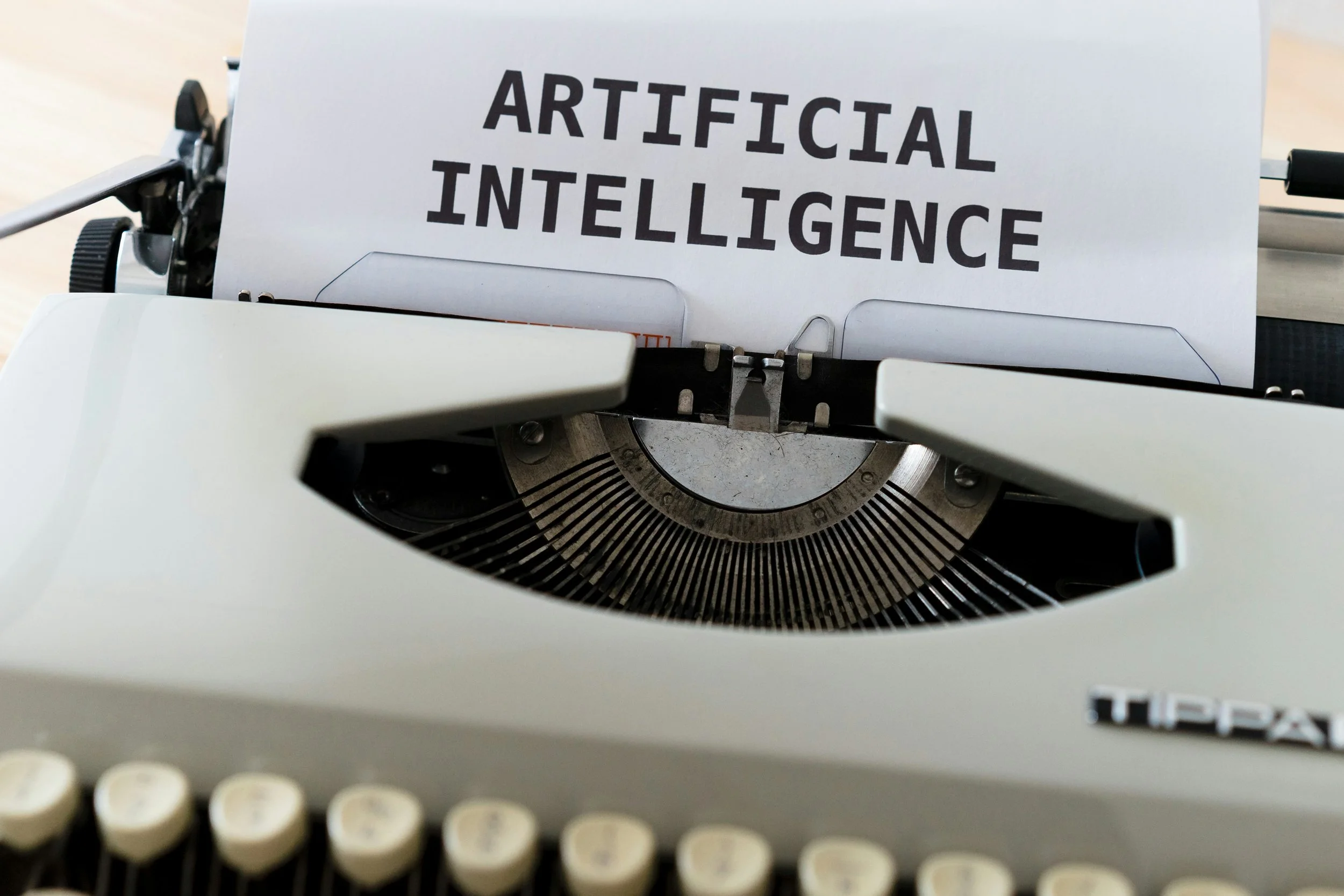
Photo by Markus Winkler on Unsplash
Raising curious, capable, and conscious learners in the age of AI
Artificial Intelligence is no longer a “future” concept—it’s already shaping how we learn, work, and interact with the world. For homeschooling families, this presents a beautiful opportunity: we can guide our children to use AI not just skillfully, but wisely.
Teaching AI at home isn’t about turning children into programmers. It’s about nurturing discernment, creativity, and responsibility—helping them understand that AI is a tool, not a teacher, and certainly not a replacement for their own thinking.
🌱 What Is AI Literacy (and Why It Matters at Home)?
AI literacy means understanding:
What AI is (and what it isn’t)
How it generates information
Its limitations and risks
How to use it responsibly
In a holistic homeschool environment, this aligns perfectly with raising whole learners—children who don’t just consume information, but question it, reflect on it, and apply it with intention.
Right now, organizations like UNESCO are emphasizing AI literacy as a core skill for the future, while Common Sense Media continues to highlight the importance of teaching children how to navigate AI safely and critically.
🧠 Step 1: Teach Children How AI Thinks (Not Just How to Use It)
Before handing over AI tools, start with understanding.
Explain AI in simple terms:
“AI doesn’t know things—it predicts answers based on patterns it has seen before.”
Use real-life analogies:
Like autocomplete on a phone
Like guessing the next word in a story
Like recognizing patterns in puzzles
This builds a foundation of healthy skepticism, which is one of the most important skills your child can develop.

⚖️ Step 2: Build Critical Thinking First, Then Introduce AI
A common mistake is introducing AI too early as a shortcut.
Instead:
Let your child explore a question independently
Encourage them to form their own ideas
Then use AI as a comparison tool
For example:
“What do you think causes rain?”
Then ask AI and compare answers together
This teaches:
Confidence in their own thinking
Evaluation of information
Awareness that AI is not always correct
🔍 Step 3: Teach Them to Question Everything AI Says
Children need to understand a key truth:
AI can sound confident and still be wrong.
Create simple “AI safety habits”:
Always ask: “How do we know this is true?”
Cross-check with books or trusted sources
Look for missing perspectives
Notice when answers feel “too perfect”
You can even turn this into a game: 👉 “Let’s find one mistake in this AI answer!” This builds discernment, not dependency.

Photo by AbsolutVision on Unsplash
🔐 Step 4: Set Clear Digital Boundaries
AI tools often collect data, and children may not understand privacy risks.
Teach clear rules:
Never share personal information
Avoid uploading photos or private details
Use AI only in shared family spaces (especially for younger children)
Set time limits to avoid overuse
This isn’t about fear—it’s about empowerment through awareness.
🎨 Step 5: Use AI as a Creative Partner, Not a Replacement
AI shines when used to enhance creativity.
Encourage your child to use AI for:
Brainstorming story ideas
Exploring “what if” questions
Practicing languages
Generating project inspiration
But always return to this principle:
“AI can help you start—but you are the creator.” This keeps learning active, not passive.

Photo by Brands&People on Unsplash
🌍 Step 6: Talk About Ethics and Responsibility
Even young children can begin to explore:
Is it okay to submit AI-generated work as your own?
Can AI be biased?
How does technology impact others?
These conversations build:
Integrity
Empathy
Responsibility
And they prepare children to be thoughtful contributors, not just users of technology.
🌿 A Holistic Perspective: Keeping the Human at the Center
In a holistic homeschool, technology never replaces connection, curiosity, or lived experiences.
AI should never take the place of:
Hands-on learning
Nature exploration
Real conversations
Emotional development
Instead, it becomes one more tool in a rich, balanced ecosystem of learning.
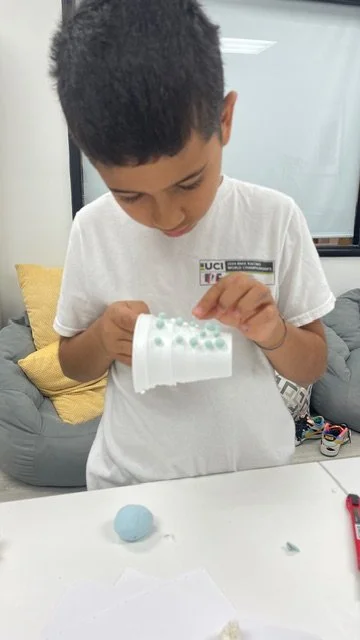
HomeschoolToGo - 5th Grade Student Learning about States of Matters
✨ Final Thoughts
Teaching AI safely in your homeschool isn’t about restriction—it’s about guidance.
When children learn to:
Think before they search
Question before they trust
Create instead of copy
They don’t just become “AI literate.” They become independent, conscious learners—ready for a future that is still unfolding.
📥 Ready to Get Started?
👉 Get a Printable AI Safety Homeschool Parent Guide
If you want help building a curriculum that prepares your child for the future, while adapting to their unique skills, consider applying for our program today by clicking this link.
