
Nature-Based Homeschooling Without a Fancy Setup
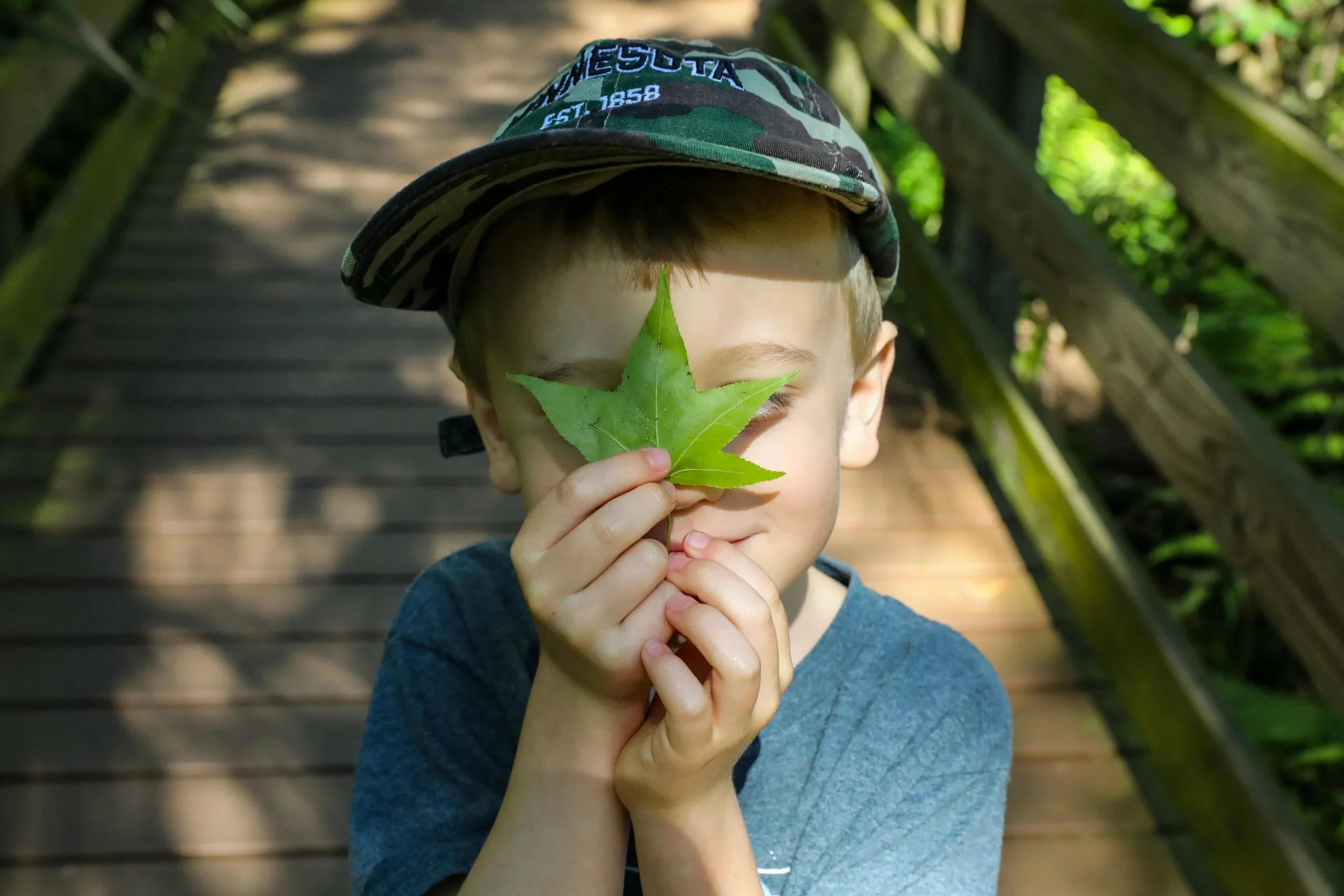
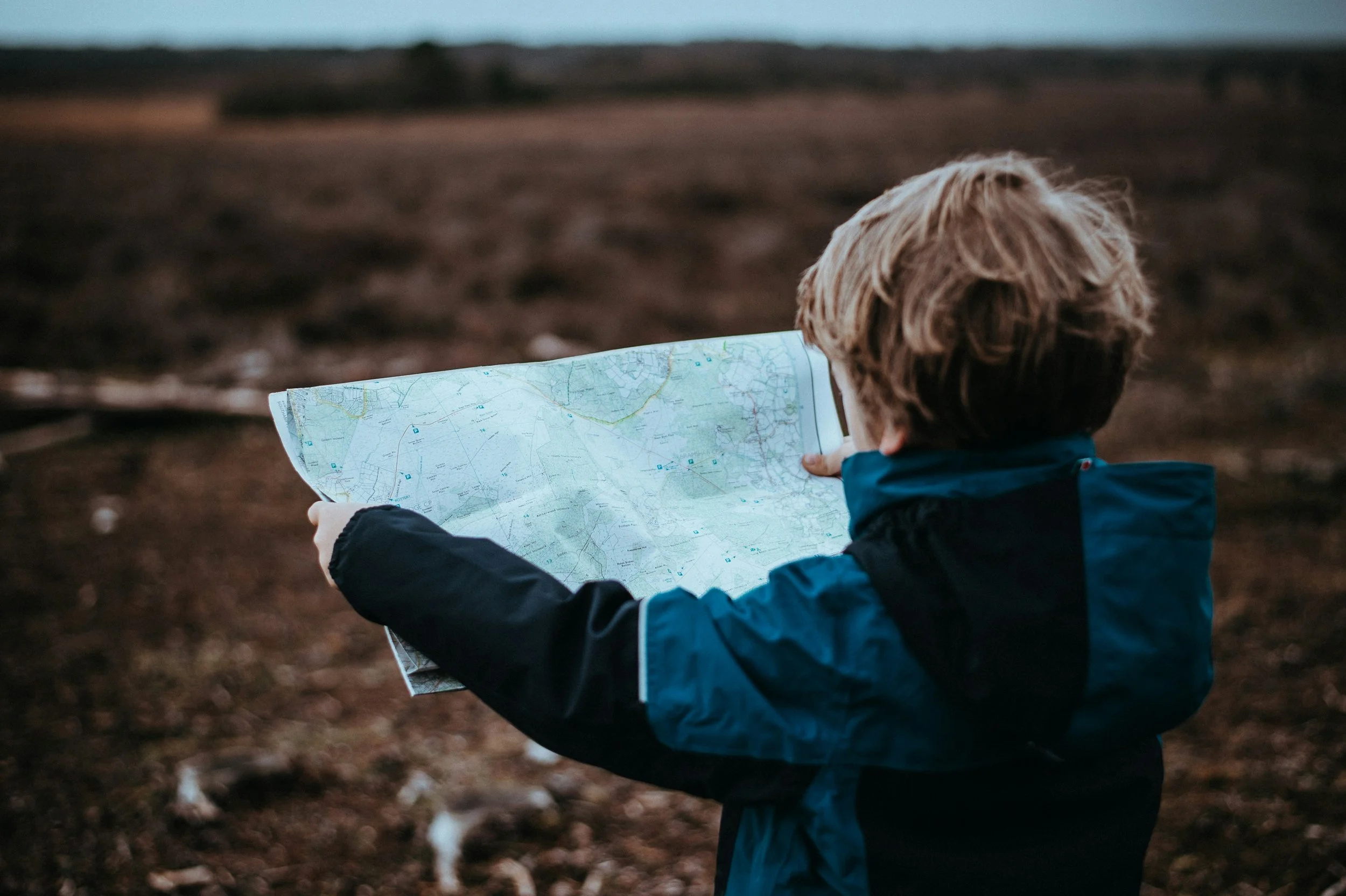
When many families think about nature homeschool, they imagine forests, farms, or beautifully designed outdoor classrooms.
But here’s the truth:
You don’t need any of that to give your child a rich, nature-based education.
You already have everything you need.
La Ciencia de la Lectura en Casa: Lo Que los Padres Necesitan Saber
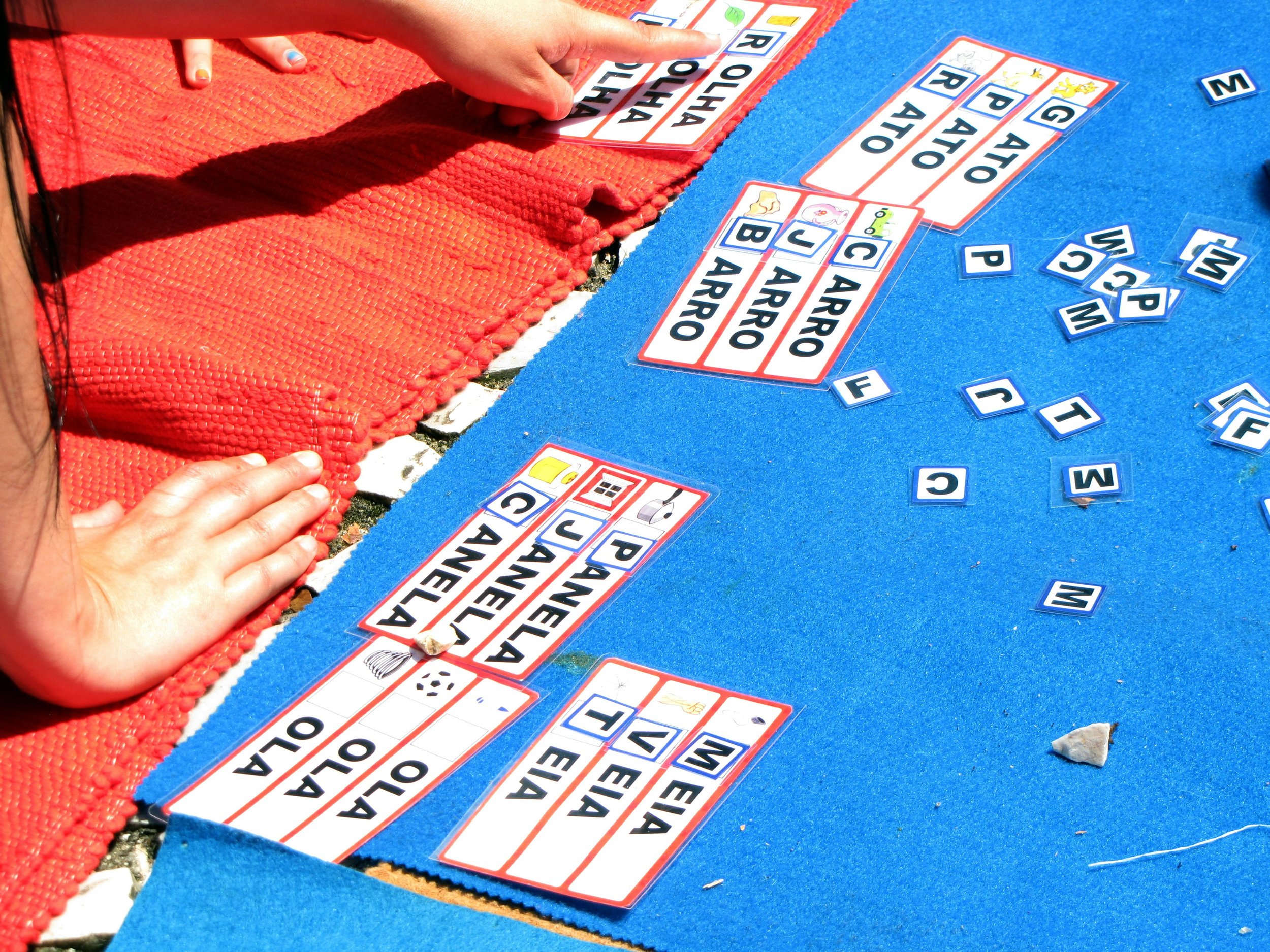
Enseñar a leer en casa puede sentirse abrumador—especialmente con tantos métodos y opiniones disponibles.
La buena noticia es que existe un enfoque claro y respaldado por investigación:
👉 La Ciencia de la Lectura
Y lo mejor…
Se adapta perfectamente a un ambiente homeschool donde el aprendizaje es personal, flexible y significativo.
Science of Reading at Home: What Parents Need to Know
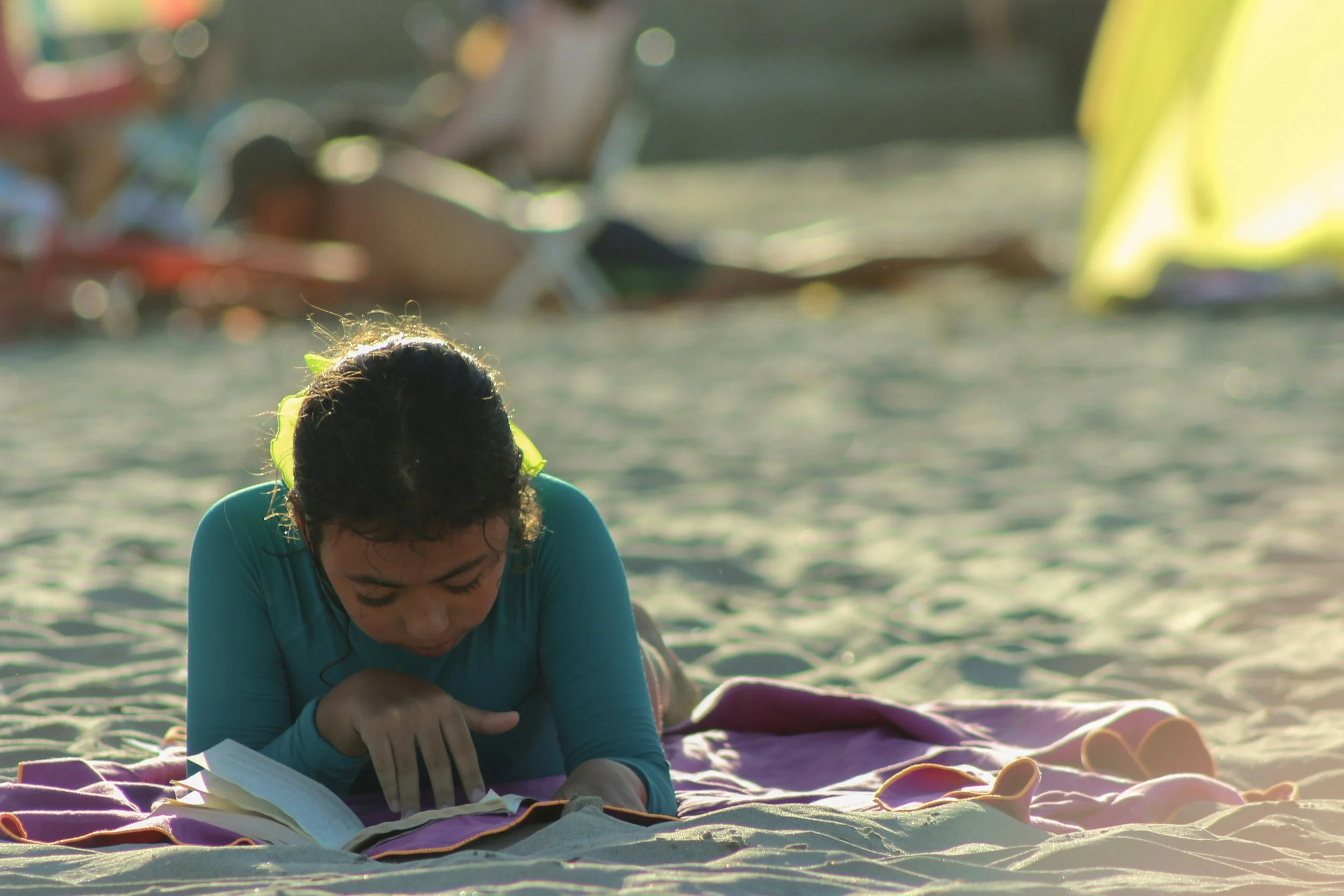
Teaching your child to read at home can feel overwhelming—especially with so many methods, opinions, and resources available.
The good news?
There’s a growing body of research—often called the Science of Reading—that gives us a clear, effective path forward.
And the best part…
It aligns beautifully with a homeschool environment where learning is personal, flexible, and connected.
Ciudadanía Digital para Familias Homeschool en 2026
La tecnología ya es parte del día a día de nuestros hijos. Pero la manera en que ellos se relacionan con ella es algo que nosotros podemos guiar.
En el homeschool, la ciudadanía digital no se trata sólo de reglas…
Se trata de formar niños con criterio, equilibrio y valores.
Digital Citizenship for Homeschoolers in 2026
Technology is part of our children’s everyday world—but how they engage with it is something we get to guide.
In a homeschool environment, digital citizenship isn’t just about rules.
It’s about helping children develop awareness, balance, and responsibility—so they can navigate the online world with confidence and care.

Cómo Enseñar IA de Forma Segura en Tu Homeschool
La Inteligencia Artificial ya está presente en nuestra vida diaria, y para las familias homeschool esto abre una oportunidad muy especial.
En casa, no solo estamos enseñando a usar herramientas. Estamos formando niños que piensan por sí mismos, que hacen preguntas y que confían en su propia voz.
La IA puede ser parte de ese proceso… cuando se introduce con intención.

How to Teach AI Safely in Your Homeschool
Artificial Intelligence is no longer a “future” concept—it’s already shaping how we learn, work, and interact with the world. For homeschooling families, this presents a beautiful opportunity: we can guide our children to use AI not just skillfully, but wisely.
Teaching AI at home isn’t about turning children into programmers. It’s about nurturing discernment, creativity, and responsibility—helping them understand that AI is a tool, not a teacher, and certainly not a replacement for their own thinking.
Más allá de los libros: Integrar la inteligencia emocional y el bienestar en tu plan de estudios
En el homeschooling, es fácil enfocarse mucho en lo académico—matemáticas, lectura, ciencias e historia. Aunque estas materias son esenciales, hay una capa más profunda de aprendizaje que a menudo se pasa por alto pero que es igual de importante: la inteligencia emocional y el bienestar.
En HomeschoolToGo creemos que nutrir al niño en su totalidad significa abrazar tanto la mente como el corazón. Integrar la inteligencia emocional y el bienestar en tu plan de estudios ayuda a los niños a desarrollar autoconciencia, empatía, resiliencia y las habilidades necesarias para prosperar no solo académicamente, sino en la vida.
Beyond the Books: Integrating Emotional Intelligence and Well-Being into Your Curriculum
In homeschooling, it’s easy to focus heavily on academics—math, reading, science, and history. While these subjects are essential, there’s a deeper layer of learning that often goes overlooked but is just as important: emotional intelligence and well-being.
At HomeschoolToGo, we believe nurturing the whole child means embracing both the mind and the heart. Integrating emotional intelligence and well-being into your curriculum helps children develop self-awareness, empathy, resilience, and the skills to thrive not only academically but in life.
Mindfulness, naturaleza y vida real: La educación holística que impulsa nuestro enfoque en HomeschoolToGo
En HomeschoolToGo, creemos que la educación va mucho más allá de los libros de texto y los exámenes. El aprendizaje verdadero es una experiencia rica y holística que nutre la mente, el cuerpo y el espíritu, y conecta a los niños profundamente con el mundo que los rodea.
Nuestro enfoque abraza el mindfulness, la naturaleza y las experiencias de la vida real como elementos fundamentales que inspiran la curiosidad, fomentan el bienestar y desarrollan habilidades para toda la vida.
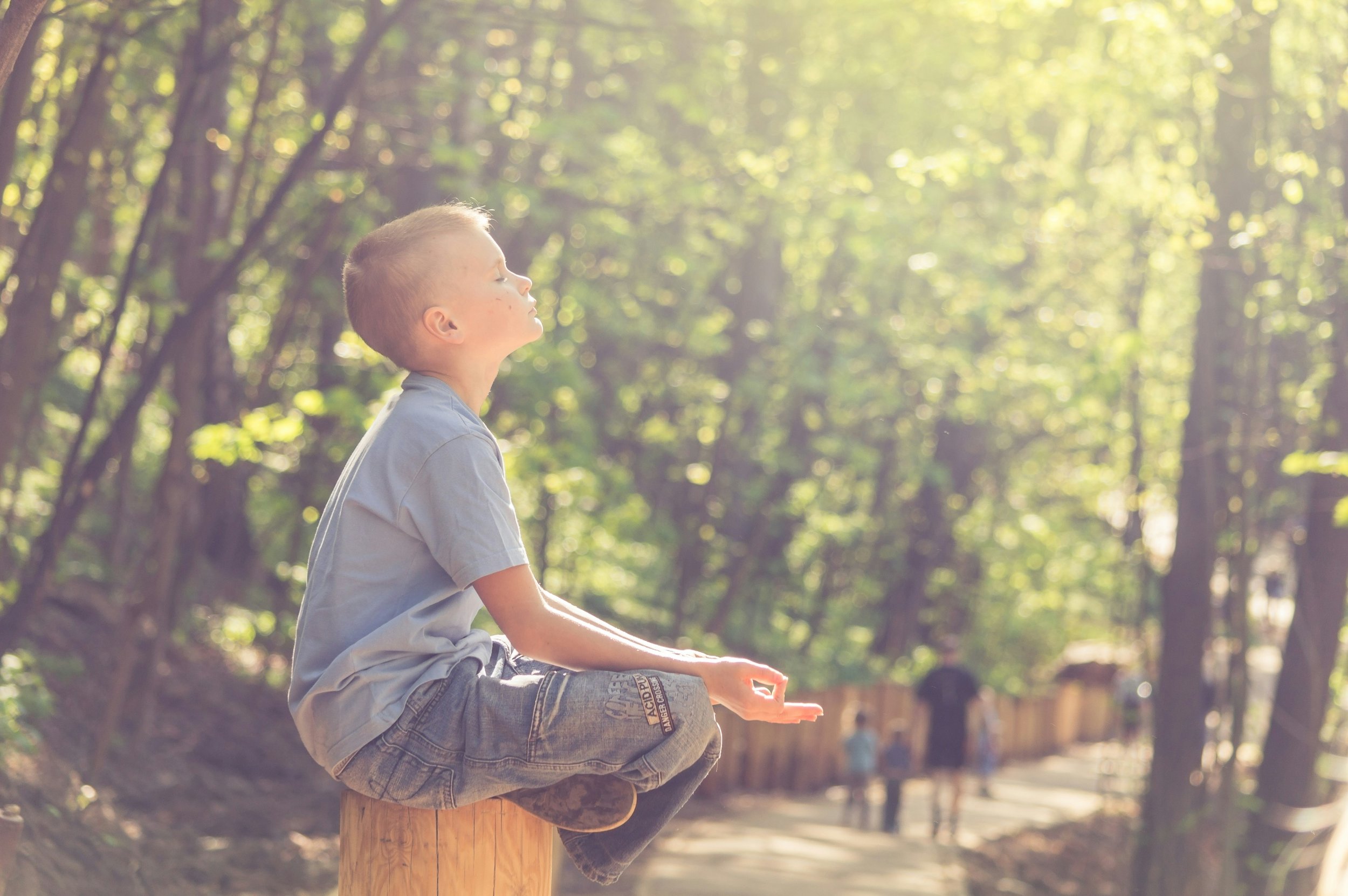
Mindfulness, Nature, and Real Life: The Holistic Education That Drives Our Approach at HomeschoolToGo
At HomeschoolToGo, we believe education goes far beyond textbooks and tests. True learning is a rich, holistic experience that nurtures the mind, body, and spirit—and connects children deeply with the world around them.
Our approach embraces mindfulness, nature, and real-life experiences as foundational elements that inspire curiosity, foster well-being, and develop lifelong skills.
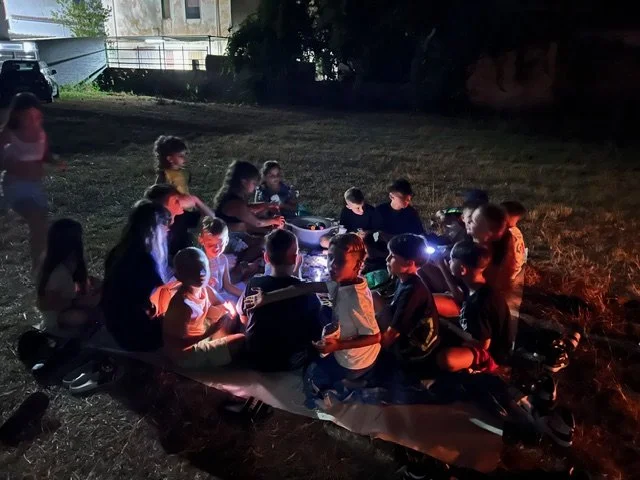
Socialización y comunidad en homeschooling: Mitos, realidades y cómo construir conexiones reales
Uno de los temas que más despierta preguntas y, a veces, preocupaciones entre familias que comienzan o consideran el homeschooling es la socialización. ¿Los niños realmente pueden socializar bien si no están en una escuela tradicional? ¿Qué pasa con las amistades, los grupos y la comunidad?
En HomeschoolToGo queremos acompañarte para aclarar esos mitos, mostrarte la realidad y ayudarte a construir conexiones genuinas y valiosas para toda la familia.
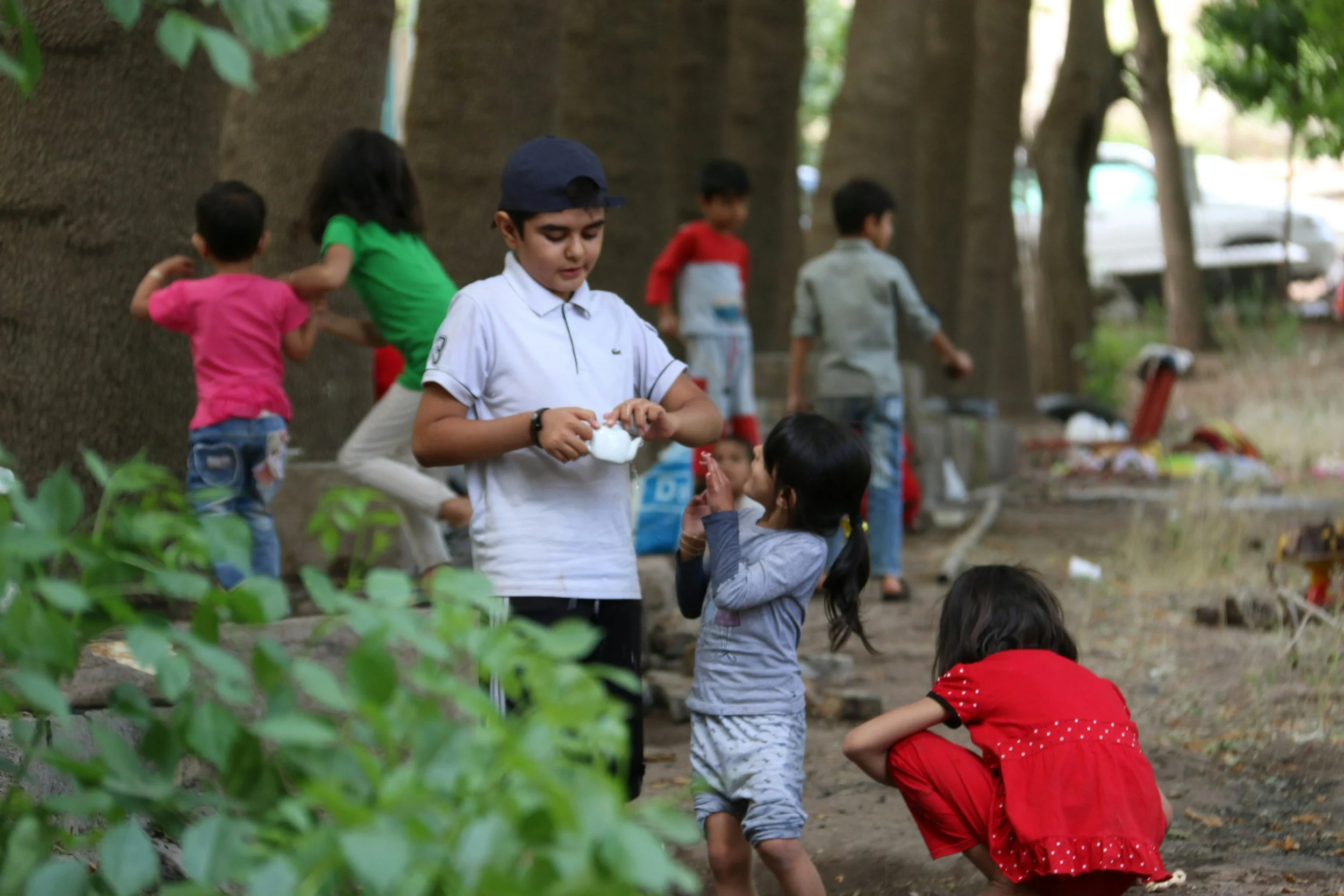
Socialization and Community in Homeschooling: Myths, Realities, and How to Build Genuine Connections
One of the topics that often raises questions—and sometimes concerns—among families starting or considering homeschooling is socialization. Do children really socialize well if they aren’t in a traditional school? What about friendships, groups, and community?
At HomeschoolToGo, we want to help clear up these myths, share the realities, and guide you in building genuine and meaningful connections for the whole family.
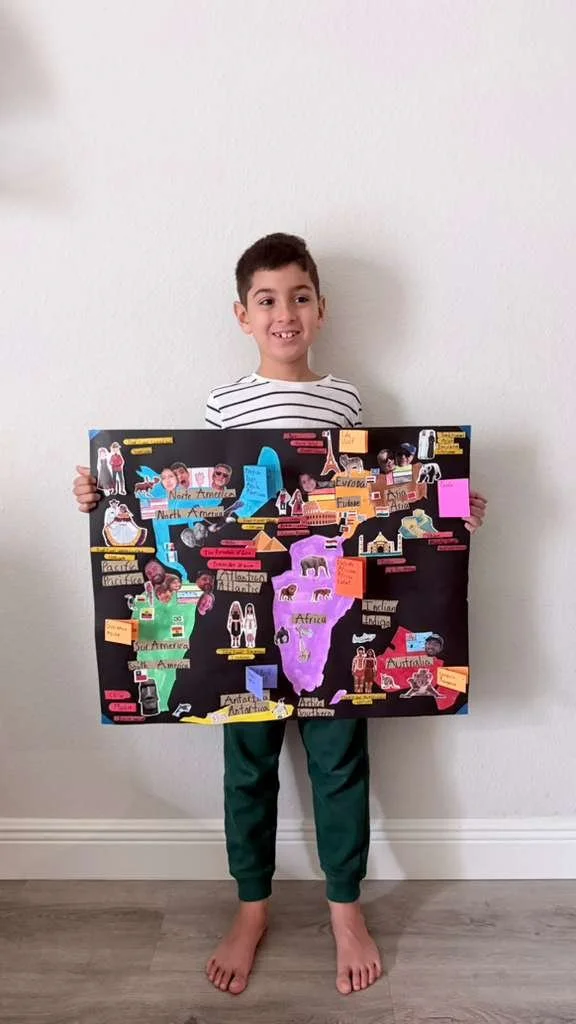
Del manual a la vida real: Cómo el aprendizaje basado en proyectos transforma el hogar
Cuando pensamos en aprendizaje, muchas veces imaginamos cuadernos llenos de ejercicios, páginas por completar y listas de tareas que parecen no terminar. Sin embargo, cuando la educación se traslada al hogar, nace una oportunidad maravillosa: aprender desde la vida misma.
El aprendizaje basado en proyectos no es solo una metodología, es una manera de despertar curiosidad, motivación y propósito en los niños. Desde primaria hasta secundaria, este enfoque invita a los estudiantes a explorar problemas reales, crear soluciones y descubrir que aprender puede sentirse tan natural como respirar.
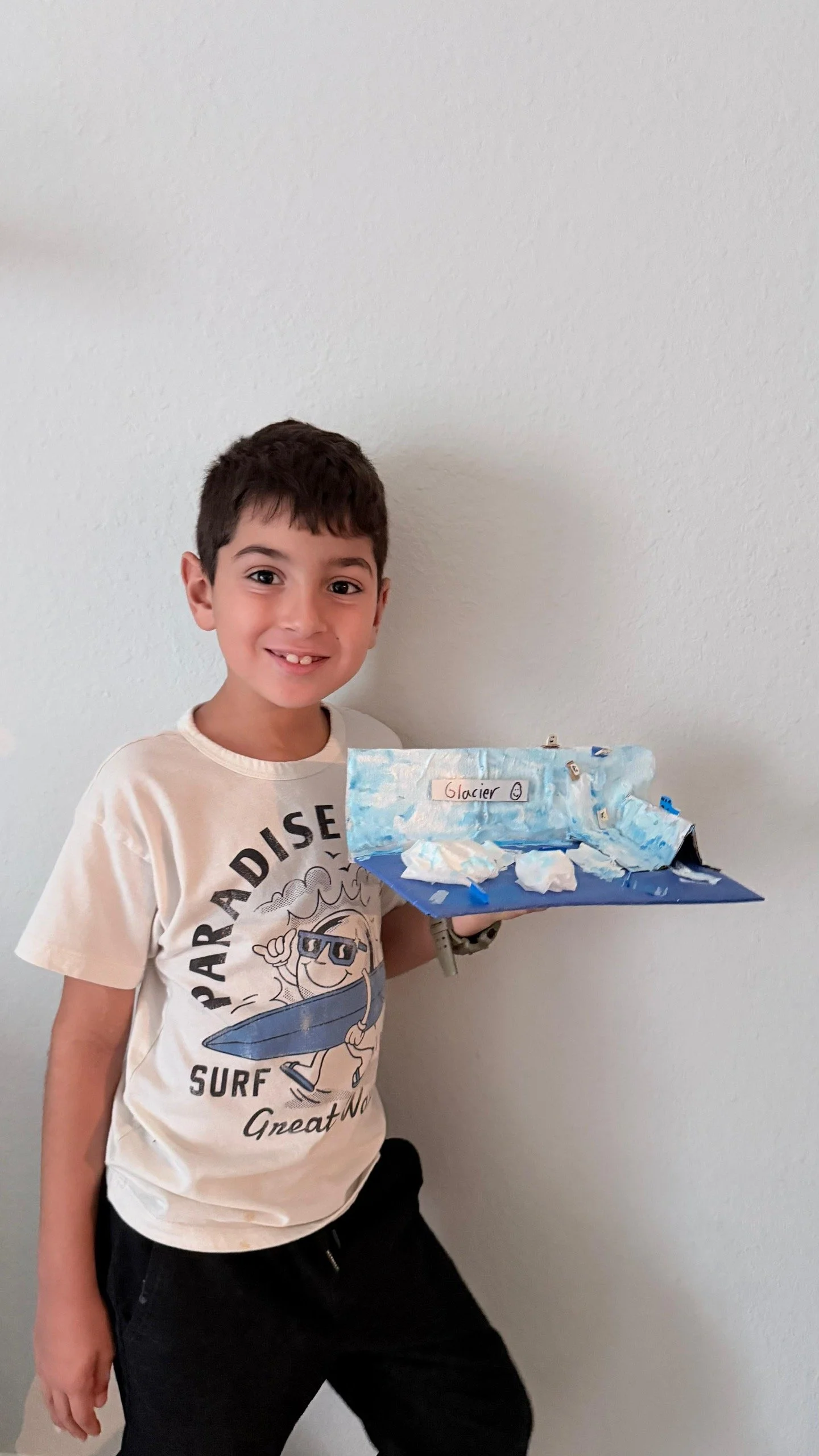
From the Manual to Real Life: How Project Based Learning Transforms the Home
When we think about learning, we often imagine notebooks filled with exercises, pages to complete, and endless task lists. However, when education moves into the home, a wonderful opportunity is born: learning directly from life itself.
Project based learning is not just a methodology. It is a way to awaken curiosity, motivation, and purpose in children. From elementary through high school, this approach invites students to explore real world problems, create solutions, and discover that learning can feel as natural as breathing.
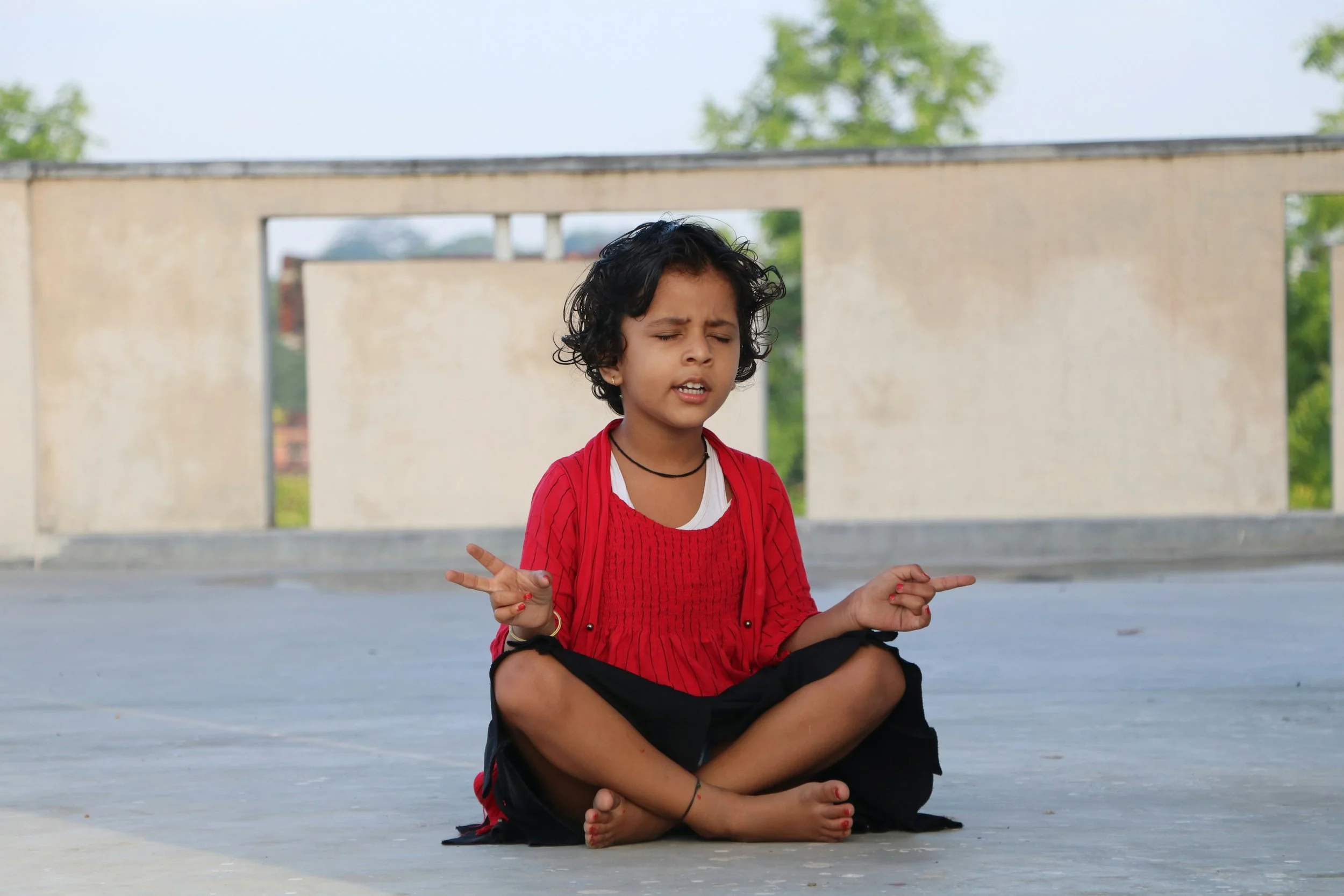
El poder del descanso: Por qué el aprendizaje también ocurre cuando pausamos
En el mundo acelerado de hoy, es fácil creer que el aprendizaje solo ocurre cuando estamos estudiando activamente, leyendo o practicando habilidades. Pero una de las partes más poderosas—y a menudo olvidadas—de la educación es algo mucho más silencioso: el descanso.
Para las familias homeschool, comprender el poder del descanso puede transformar la forma en que abordamos nuestras rutinas diarias, ayudando a los niños a crecer no solo académica sino también emocional, social y creativamente.
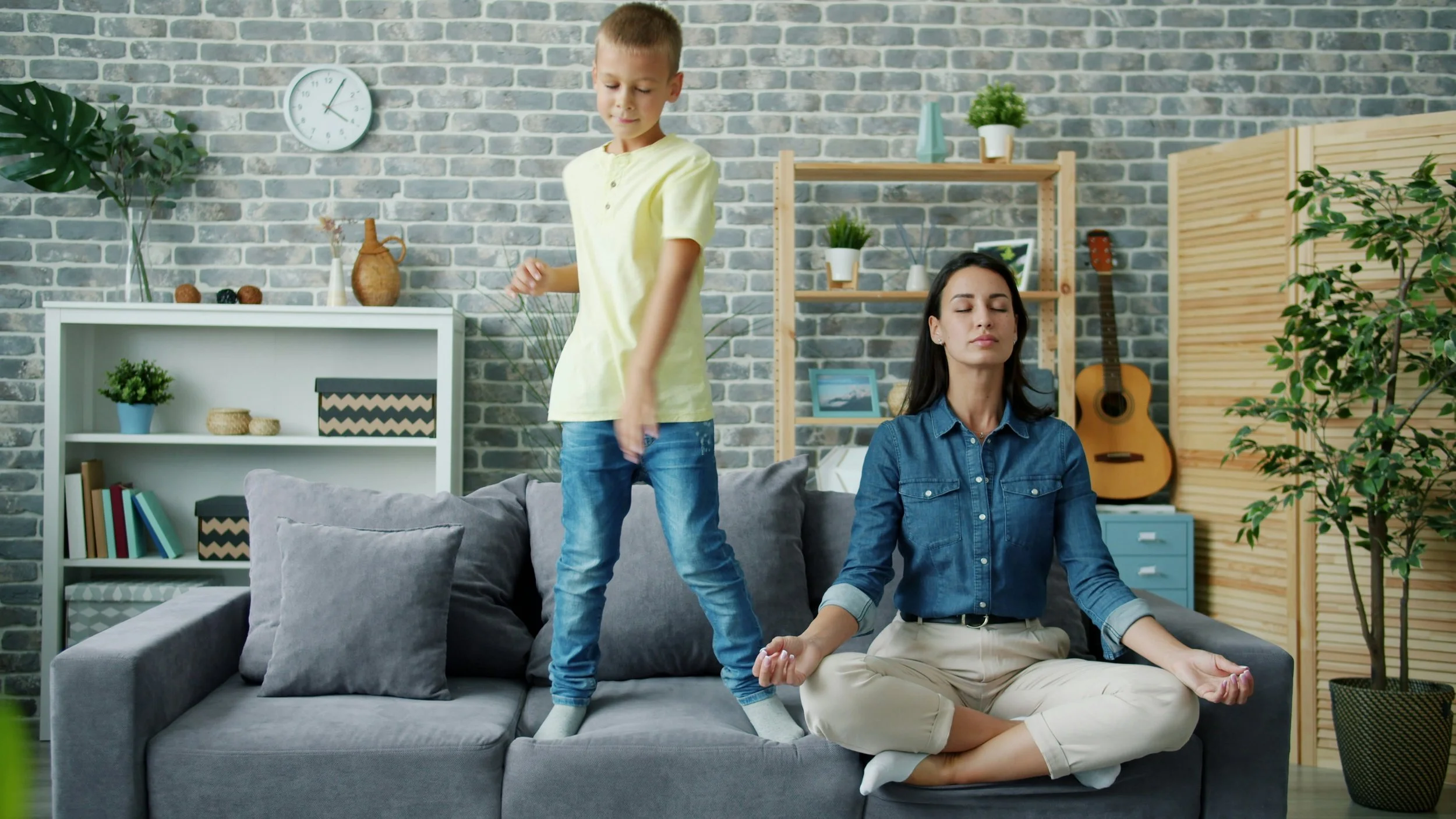
The Power of Rest: Why Learning Also Happens When We Pause
In today’s fast-paced world, it’s easy to believe that learning only happens when we’re actively studying, reading, or practicing skills. But one of the most powerful—and often overlooked—parts of education is something much quieter: rest.
For homeschooling families, understanding the power of rest can transform how we approach our daily routines, helping children grow not only academically but emotionally, socially, and creatively.
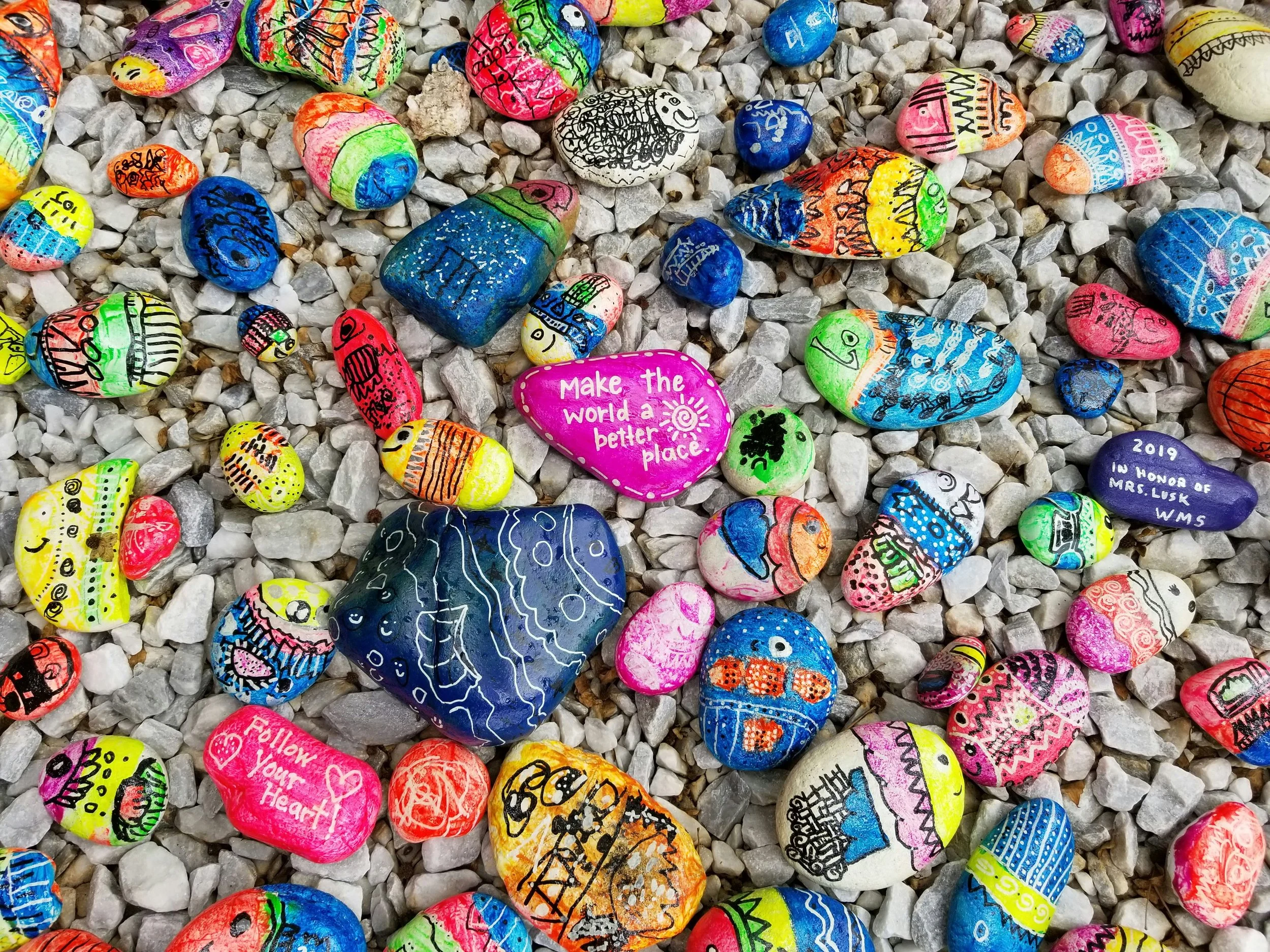
Cierre de Año con Gratitud: Reflexiones y Rituales para Familias Homeschool
A medida que el año llega a su fin, muchas familias comienzan a reflexionar sobre los meses que han pasado: los desafíos enfrentados, las lecciones aprendidas y los momentos de alegría compartidos. Para las familias que educan en casa, esta reflexión puede convertirse en un ritual poderoso que honra el crecimiento, fortalece los lazos familiares y establece un tono positivo para el año que comienza.

Year-End Closure with Gratitude: Reflections and Rituals for Homeschool Families
As the year draws to a close, many families find themselves reflecting on the months that have passed the challenges faced, the lessons learned, and the moments of joy shared. For homeschooling families, this reflection can become a powerful ritual that not only honors growth but also strengthens family bonds and sets a positive tone for the year ahead.
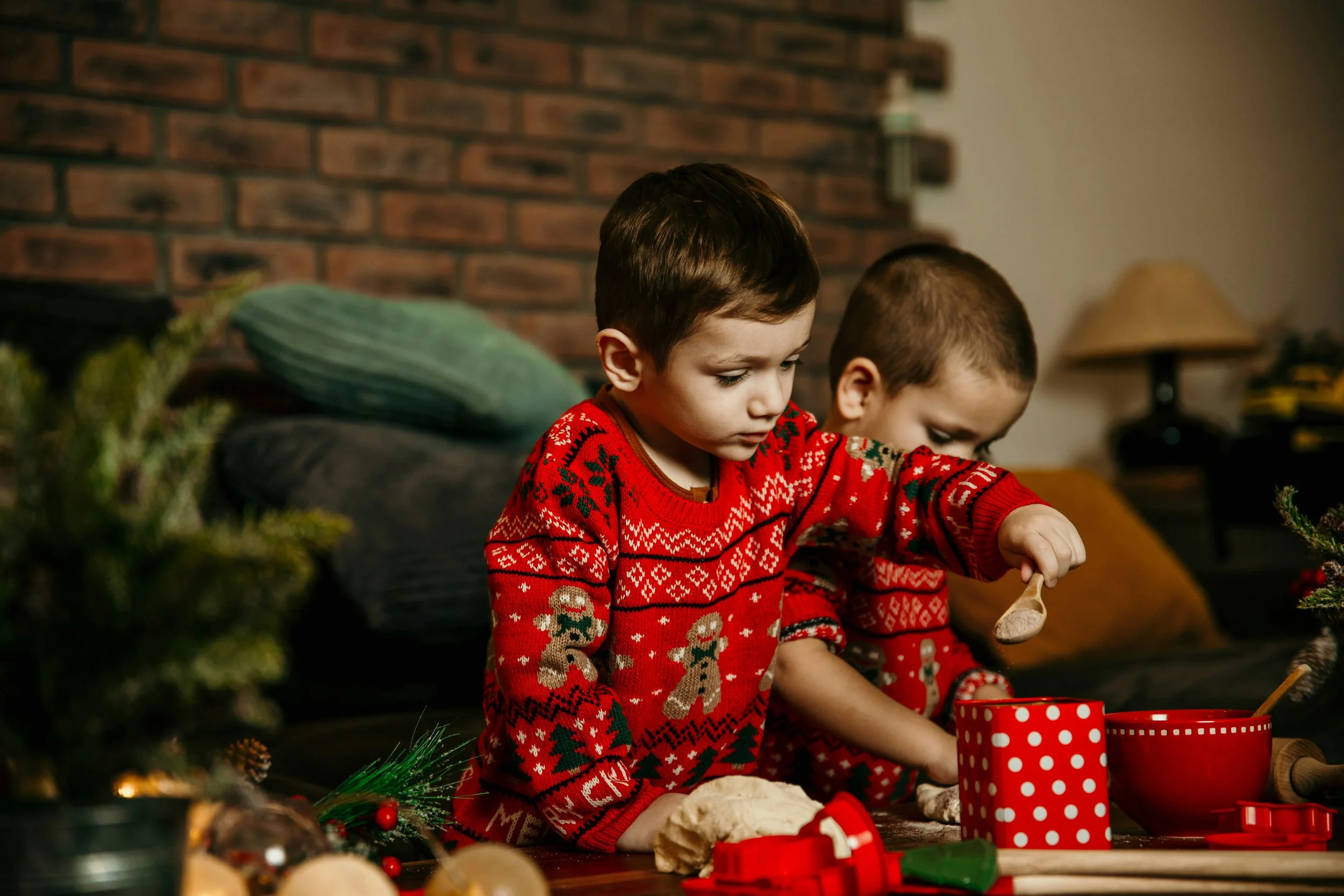
Aprendizaje con propósito: 10 ideas educativas para la temporada navideña
La temporada navideña trae magia, alegría y un cambio de ritmo que transforma el ambiente familiar. Para muchas familias homeschool, este tiempo se convierte en una oportunidad maravillosa para aprender de maneras más vivas, prácticas y llenas de significado.
Cuando el aprendizaje se conecta con experiencias reales, emociones y tradiciones familiares, los niños descubren que estudiar no es algo separado del hogar, sino una parte natural de su vida diaria.
Aquí tienes 10 ideas educativas sencillas y con propósito que puedes incorporar durante esta época especial. Funcionan para diferentes edades y se pueden adaptar al estilo y ritmo de cada familia.