From the Manual to Real Life: How Project Based Learning Transforms the Home
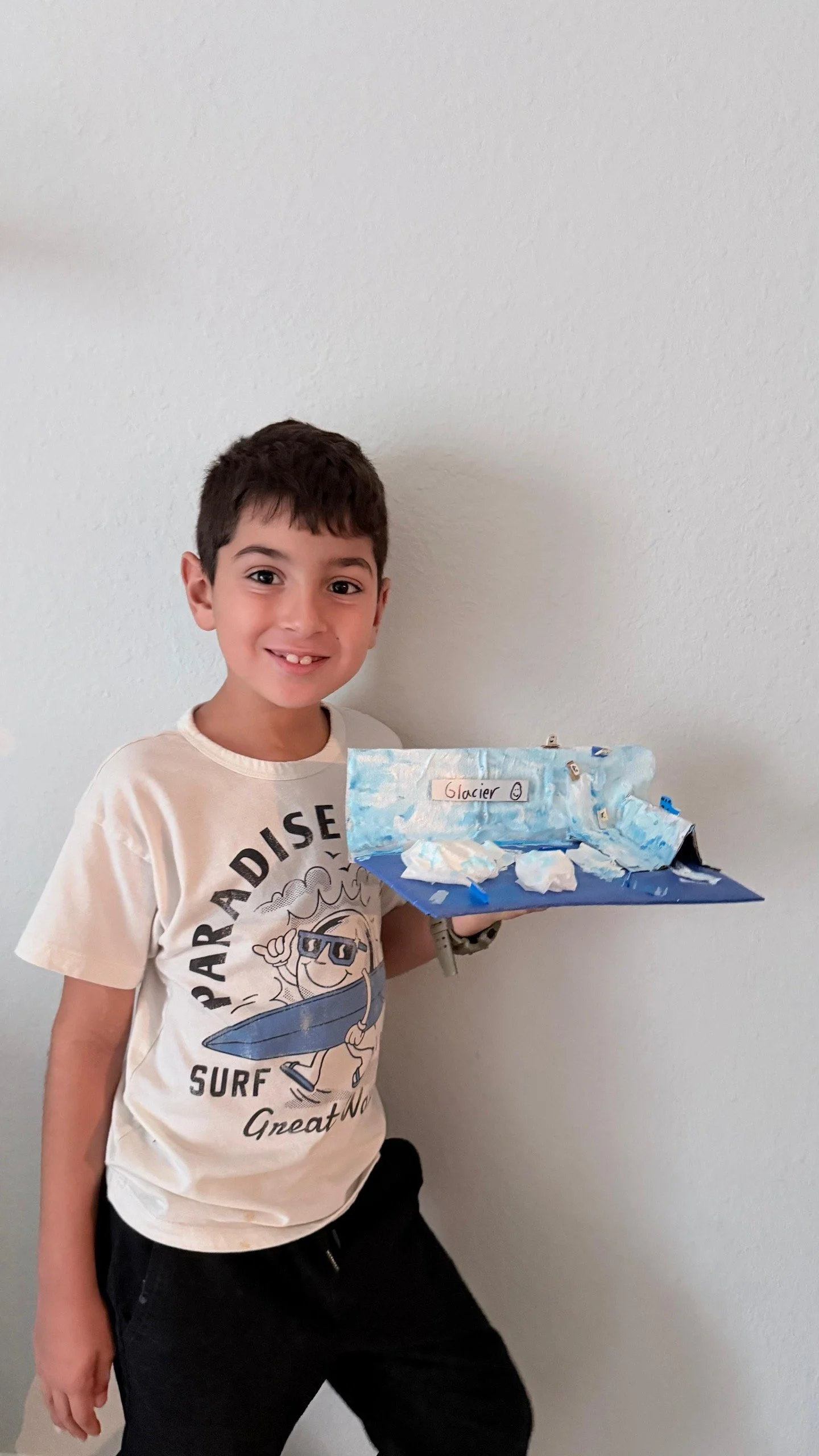
Luca Ferraguti - 2nd Grade HomeschoolToGo Student
When we think about learning, we often imagine notebooks filled with exercises, pages to complete, and endless task lists. However, when education moves into the home, a wonderful opportunity is born: learning directly from life itself.
Project based learning is not just a methodology. It is a way to awaken curiosity, motivation, and purpose in children. From elementary through high school, this approach invites students to explore real world problems, create solutions, and discover that learning can feel as natural as breathing.
Comparative statistics between project based learning and traditional academic learning
Classic studies and recent reports show that students retain up to 75 to 90 percent of what they learn when they are actively involved in hands on experiences.
Traditional methods without active participation tend to result in much lower retention levels, typically reported below 10 to 20 percent in passive learning situations.
Up to 30 percent higher participation, interest, and motivation compared to traditional methods. WifiTalents
Between 65 and 72 percent of students report finding these activities more interesting and motivating than traditional classes. WifiTalents
Approximately 85 percent of teachers observe improved active participation.
When life becomes the teacher
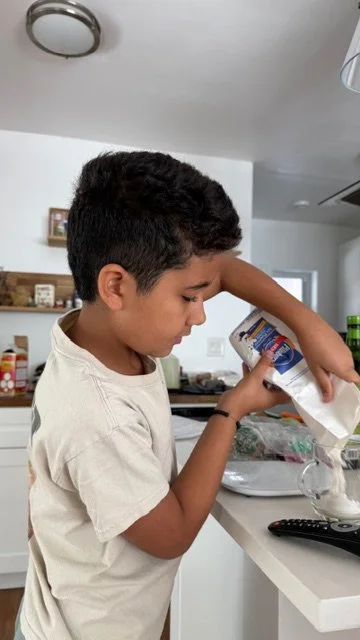
Giuliano Silva - 5th Grade HomeschoolToGo Student
At home, education stops being an activity separate from daily life. Suddenly, cooking becomes a math lesson, assembling furniture turns into a mix of reading comprehension and geometry, and planning a small family business becomes a powerful exercise in entrepreneurship, writing, and critical thinking.
What makes this approach special is that children do not learn for a grade. They learn because they understand the purpose. They feel part of something that matters.
As an elementary teacher, seeing a child proud because they managed to follow a recipe on their own, or because they designed an invention using recycled materials, is proof that their learning is authentic. And as a secondary teacher, seeing a teenager work on a project they chose, research independently, and confidently present their results demonstrates academic and personal growth that no manual can fully measure.
More depth, less memorization
Instead of covering ten topics superficially, a project allows students to dive deeply into one subject, understand it from different perspectives, and connect it to the real world. This nurtures essential skills:
Critical thinking
Problem solving
Creativity
Teamwork
Organization and time management
Clear communication
And most importantly, it teaches them how to learn, a skill that will serve them for life.
Simple examples you can implement at home
Here are a few ideas that work well for both elementary and secondary levels:
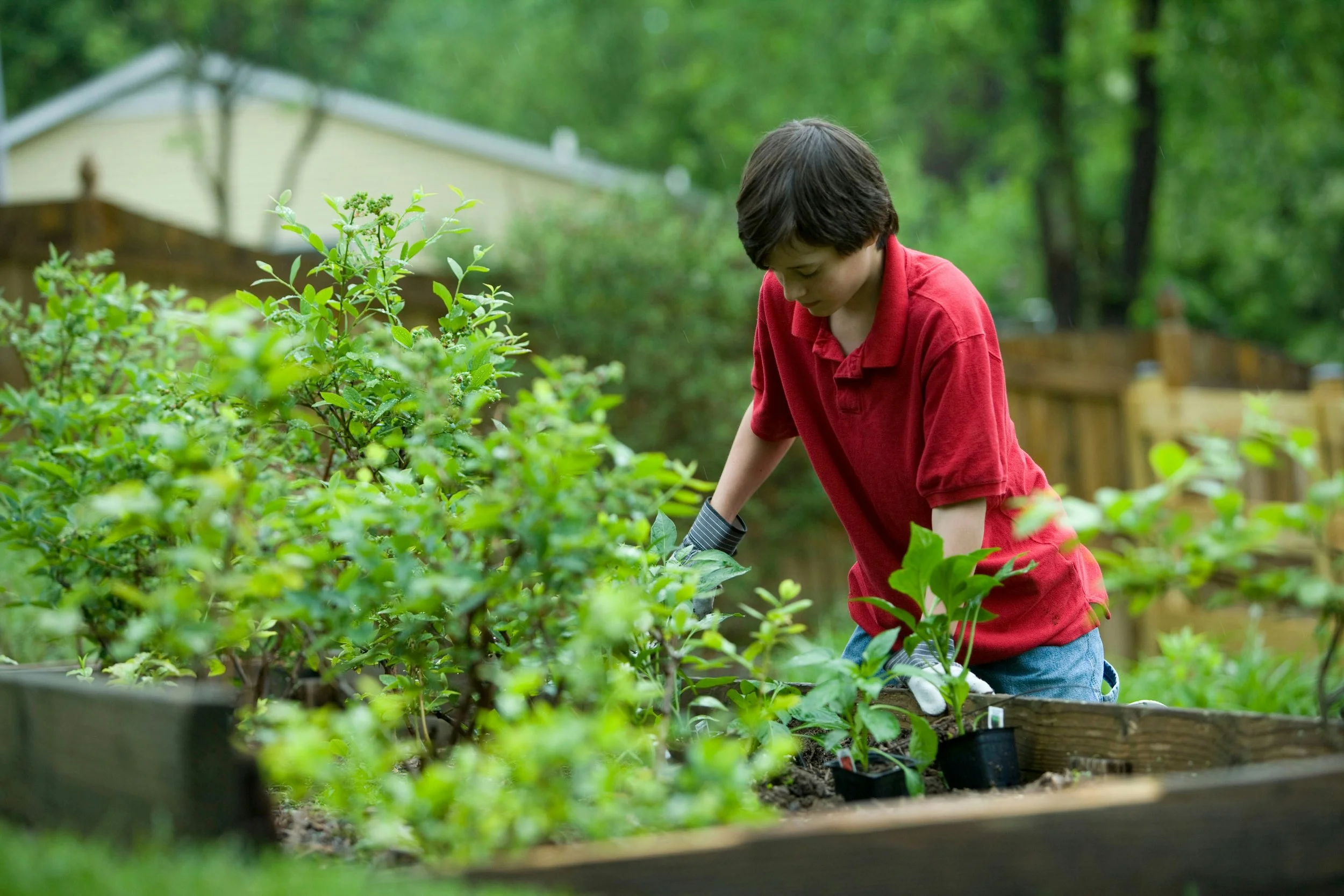
1. Create a family garden
Children research which plants grow in their area, measure spaces, compare seeds, track changes, and document the process.
Learning areas: science, math, writing, responsibility.
2. A small creative business
From selling lemonade to making bracelets or cookies. Students plan, calculate costs, design advertising, and manage the project.
Learning areas: math, language arts, entrepreneurship, social skills.
3. Research a topic of interest
Animals, countries, sports, art, technology, whatever the child chooses. The project concludes with a family presentation.
Learning areas: research, writing, oral expression, critical thinking.
4. A culinary project
Choosing recipes, writing lists, measuring ingredients, following instructions, and presenting the final dish.
Learning areas: math, reading, science, independence.
The home as a space of possibilities
One of the greatest advantages we see at HomeschoolToGo is that projects turn the home into a natural laboratory of curiosity. Children feel freer to make mistakes, imagine, rediscover, build, and create.
When education is lived this way, it stops feeling like an obligation and begins to feel like a journey. Each day brings a new opportunity to discover something different, and that transforms the entire family environment.
Children stop asking, “Do I have to do this?” and begin to say, “Can we try this?”
How HomeschoolToGo integrates this magic
At HomeschoolToGo, project based learning is an essential part of our holistic approach. Our materials, activities, and parent guides are designed to connect theory with real life experiences. We want every family to have the freedom to adapt these projects to their own style, pace, and values.
We deeply believe that children learn best when they are motivated, when they understand the purpose, and when learning allows them to express who they truly are.