
Nature-Based Homeschooling Without a Fancy Setup
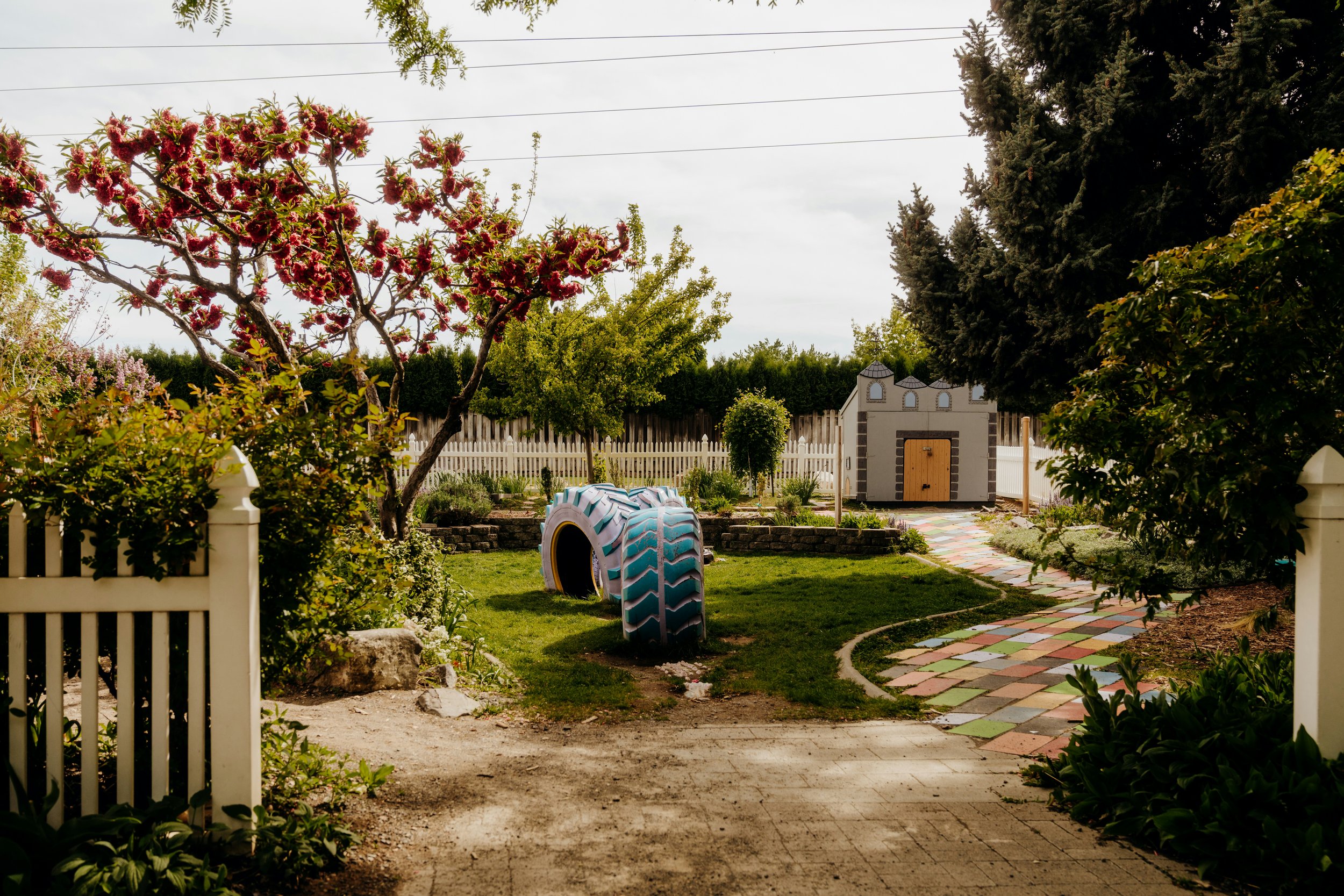
Photo by Emmanuel Munoz on Unsplash
Simple, meaningful learning—right outside your door
When many families think about nature homeschool, they imagine forests, farms, or beautifully designed outdoor classrooms.
But here’s the truth:
You don’t need any of that to give your child a rich, nature-based education.
You already have everything you need.
Nature-based learning can happen:
In your backyard
At a nearby park
On a simple walk
Watching the sky from your window
What matters most isn’t the location— it’s the way you invite your child to observe, explore, and connect.
🌱 What Is Nature-Based Homeschooling?
Nature-based homeschooling is a holistic approach that uses the natural world as a living classroom.
It blends:
Science through observation
Literacy through journaling
Emotional growth through connection
Creativity through exploration
Instead of separating subjects, children experience learning as something integrated and alive.
🍃 Why Families Are Choosing Outdoor Learning in 2026
More families are leaning into outdoor learning homeschool because they want:
Less pressure and more flexibility
Real-life, meaningful experiences
Stronger family connection
Learning that adapts to their child
Nature offers something screens and worksheets can’t: 💛 Calm, curiosity, and presence
🧭 5 Simple Ways to Start (No Fancy Setup Needed)
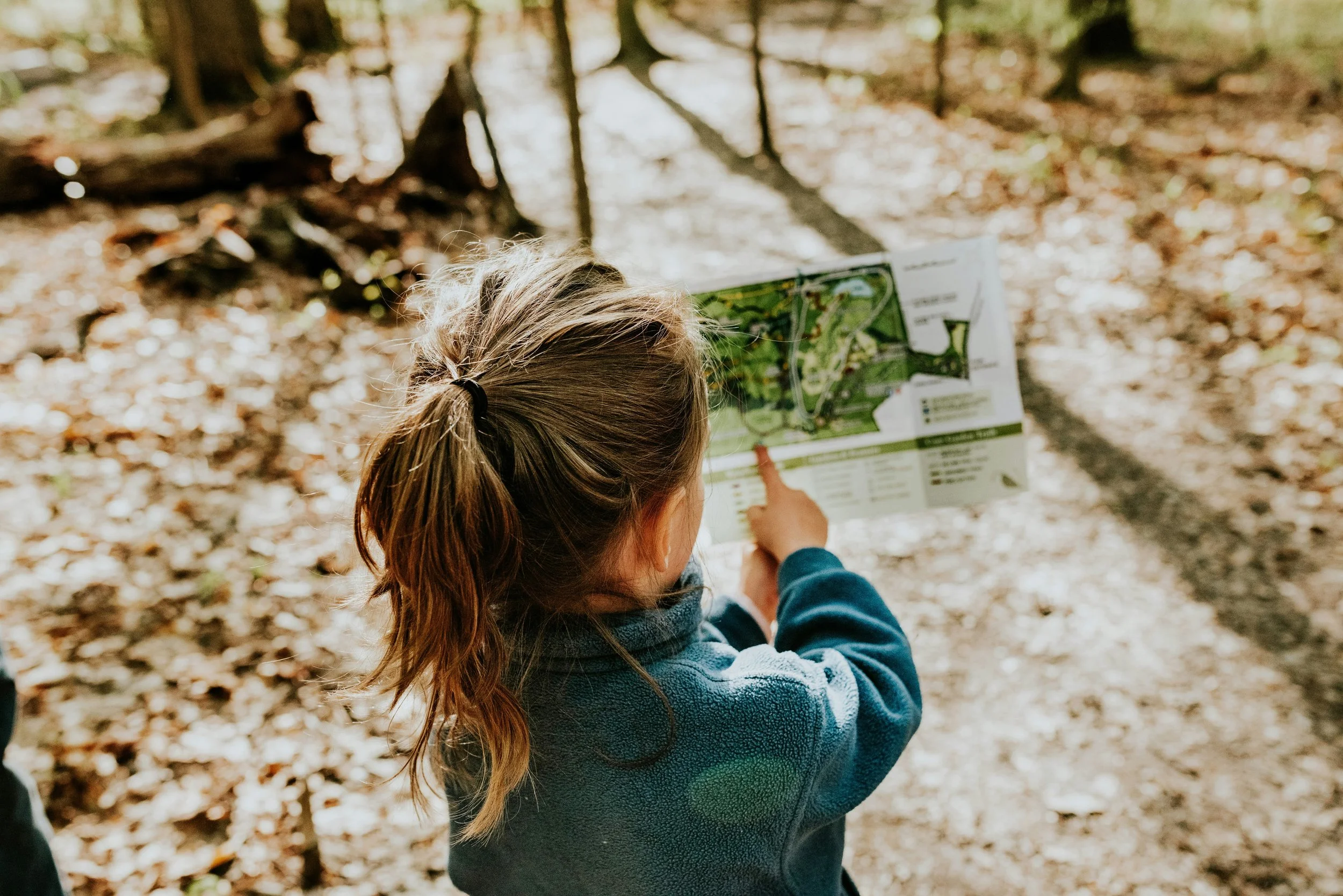
🌳 1. Daily Nature Walks
You don’t need hours—just intention.
Even 10–20 minutes can become a powerful learning time.
Try this:
Focus on one thing (leaves, sounds, textures)
Ask open-ended questions
Let your child lead the experience
👉 “What do you notice?”, 👉 “What do you think is happening here?”
📓 2. Observation Notebooks
A simple notebook becomes a powerful learning tool.
Encourage your child to:
Draw what they see
Write observations
Ask questions
This builds:
Scientific thinking
Writing skills
Attention to detail
No perfection needed—just curiosity.
🌦️ 3. Weather Journals
The weather is a daily science lesson waiting to happen.
Track:
Sun, clouds, rain
Temperature
Wind
Over time, children begin to notice:
Patterns
Changes
Cause and effect
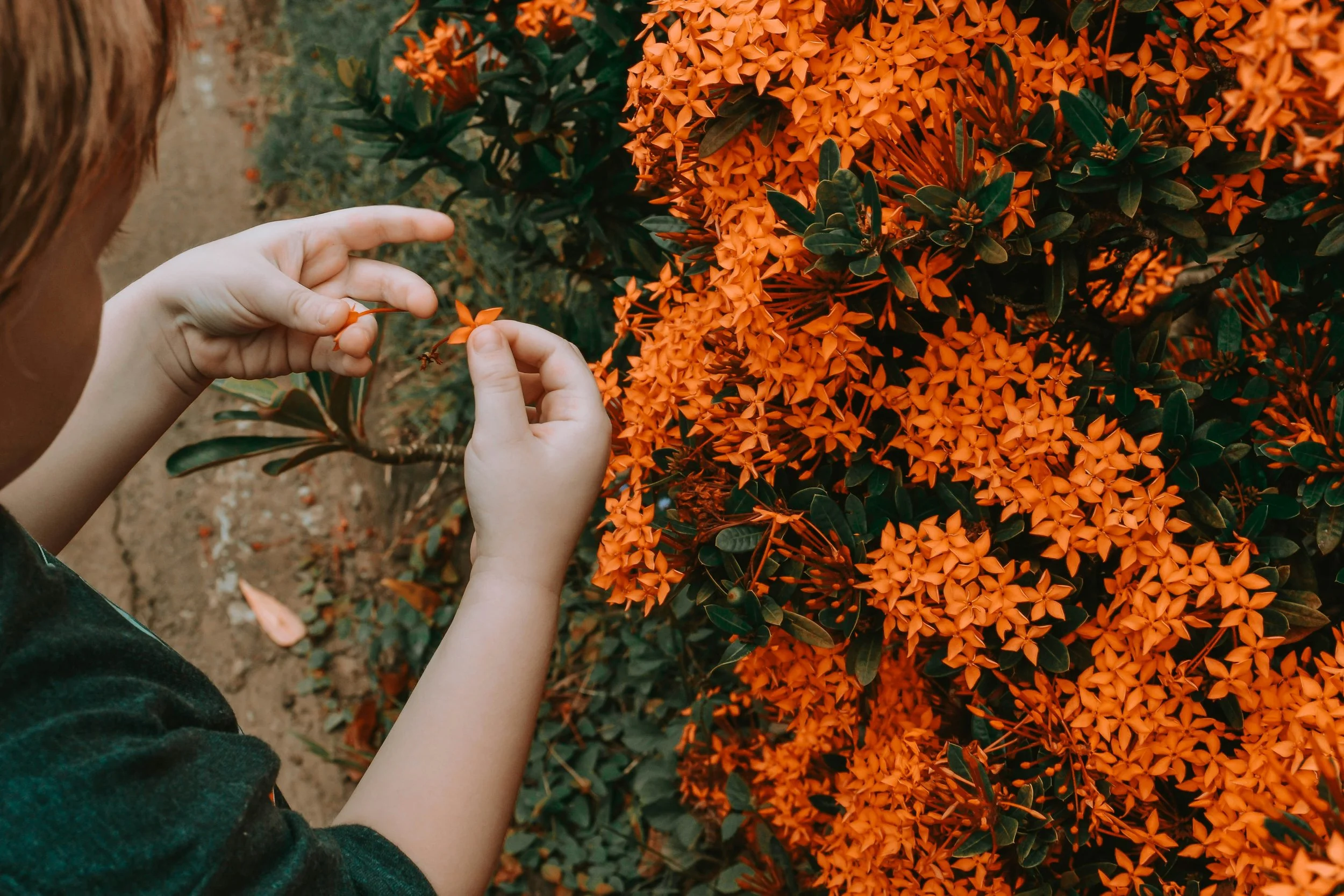
🍂 4. Collect and Explore
Let your child collect:
Leaves
Rocks
Sticks
Then explore:
Sort by size or color
Compare textures
Ask questions
👉 “Why are these different?”, 👉 “Where do you think this came from?”
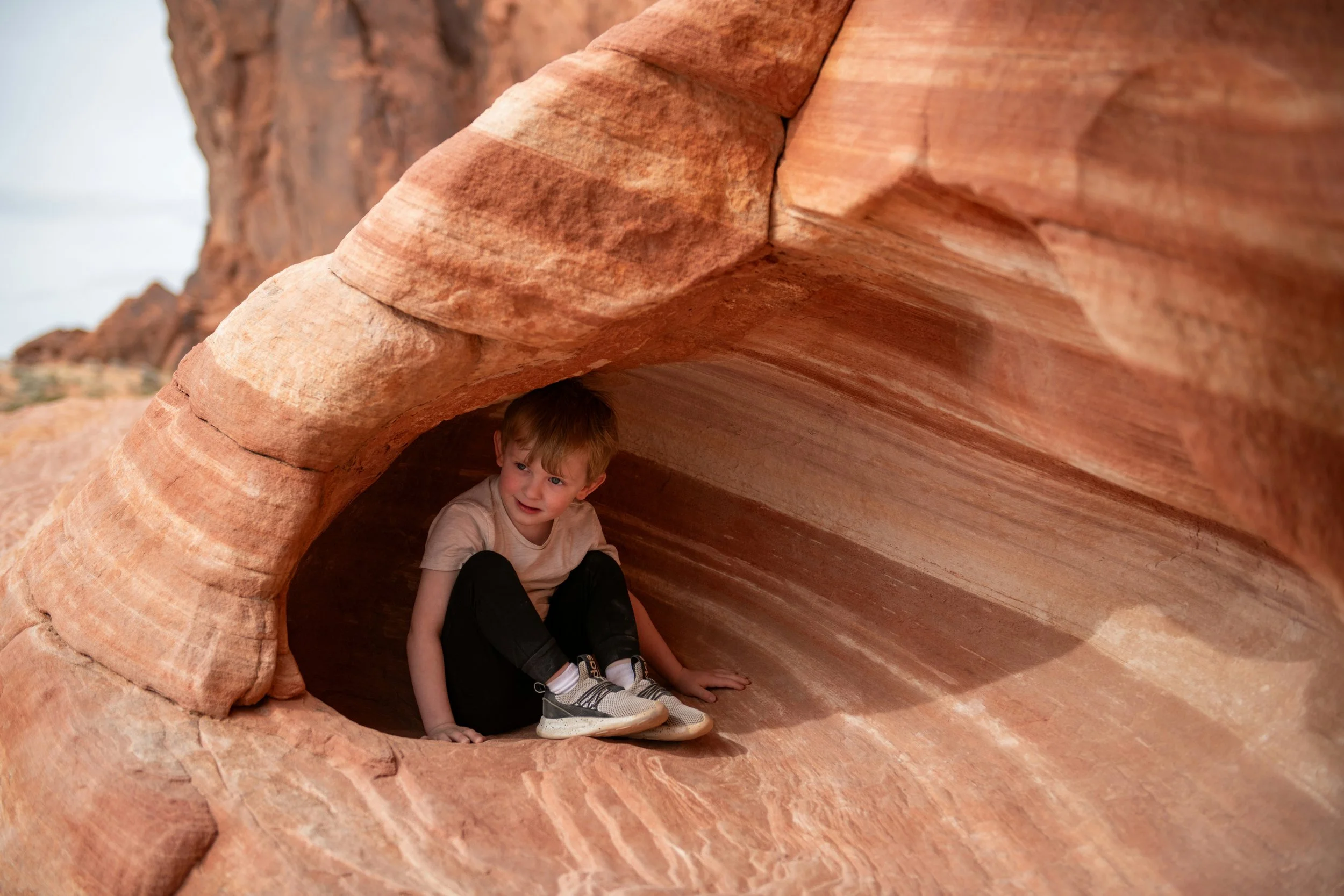
Photo by Holly Landkammer on Unsplash
🎨 5. Create from Nature
Nature inspires creativity in a natural, pressure-free way.
Children can:
Draw what they see
Build with natural materials
Write stories about their discoveries
This connects:
💛 Imagination + learning + expression
🌿 What Your Child Is Really Learning
Nature-based homeschooling supports more than academics.
Children develop:
Curiosity and wonder
Focus and observation
Emotional regulation
Problem-solving skills
A deep connection to their environment
💛 A Holistic Way to Learn
This approach may feel slower—but it’s deeply effective.
When children:
Explore freely
Ask questions
Engage with real life
They don’t just memorize… they understand and remember.
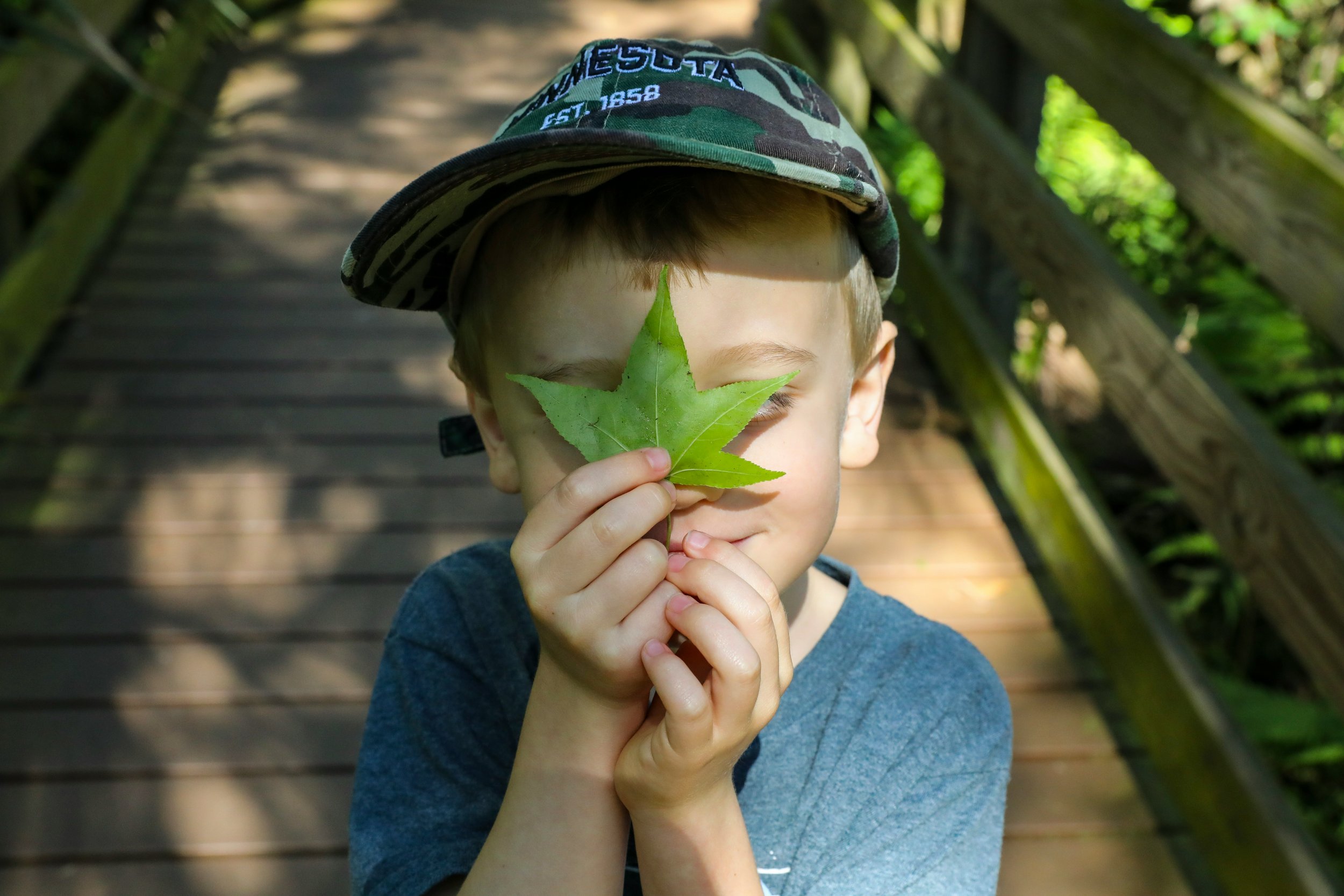
Photo by Mick Haupt on Unsplash
✨ Final Thoughts
You don’t need a perfect setup to create meaningful learning.
You just need:
A little time
A bit of intention
A willingness to slow down
Start small. Stay consistent. Let nature guide the process.