

Science of Reading at Home: What Parents Need to Know

Photo by Jael Rodriguez on Unsplash
Building confident readers with simple, intentional steps
Teaching your child to read at home can feel overwhelming—especially with so many methods, opinions, and resources available.
The good news?
There’s a growing body of research—often called the Science of Reading—that gives us a clear, effective path forward.
And the best part…
It aligns beautifully with a homeschool environment where learning is personal, flexible, and connected.
🌱 What Is the Science of Reading?
The Science of Reading is not a curriculum—it’s a collection of research about how the brain learns to read.
It tells us that strong readers are built through five key areas:
Phonemic Awareness
Phonics
Fluency
Vocabulary
Comprehension
Instead of guessing or memorizing, children learn to decode, understand, and think deeply about text.
🔤 1. Phonemic Awareness: Hearing the Sounds
This is the ability to hear and play with sounds in words.
Before reading, children need to recognize:
Rhymes
Beginning sounds
Breaking words into sounds (cat → /c/ /a/ /t/)
Try this at home:
Play rhyming games
Clap syllables
Ask: “What sound does this word start with?”
✨ This builds the foundation for everything else.
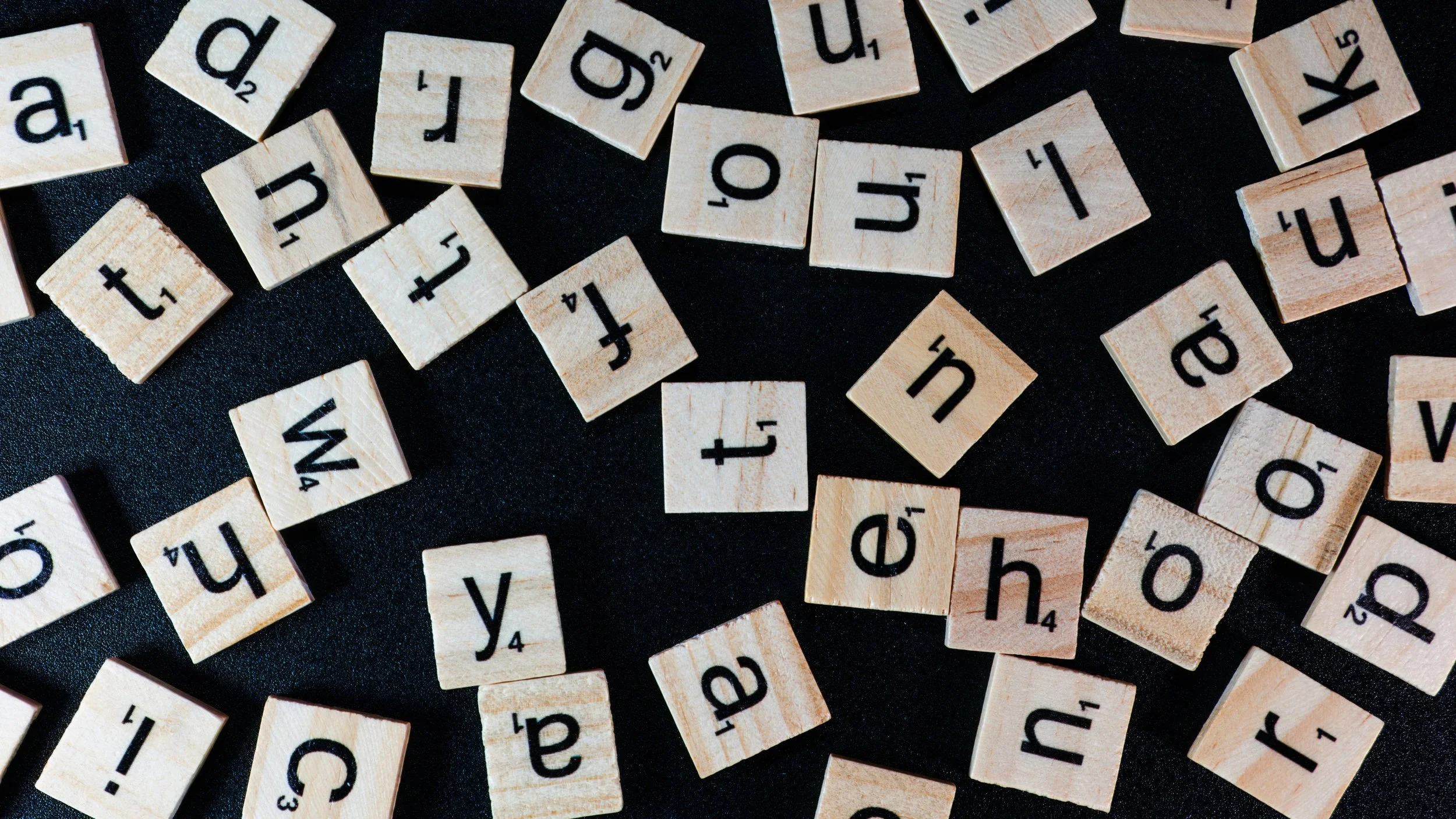
Photo by Hakim Menikh on Unsplash
🔡 2. Phonics: Connecting Sounds to Letters
Phonics is where children connect sounds to written letters.
They learn:
Letters represent sounds
Sounds blend into words
Words can be decoded (not memorized)
Example:
c + a + t → cat
At home:
Practice sounding out simple words
Use magnetic letters
Keep it playful and short
📖 3. Fluency: Reading with Ease
Fluency means reading smoothly, with expression and understanding.
When children don’t struggle to decode every word, they can focus on meaning.
Try this:
Read aloud together daily
Re-read favorite books
Model expressive reading
💛 Confidence grows here.
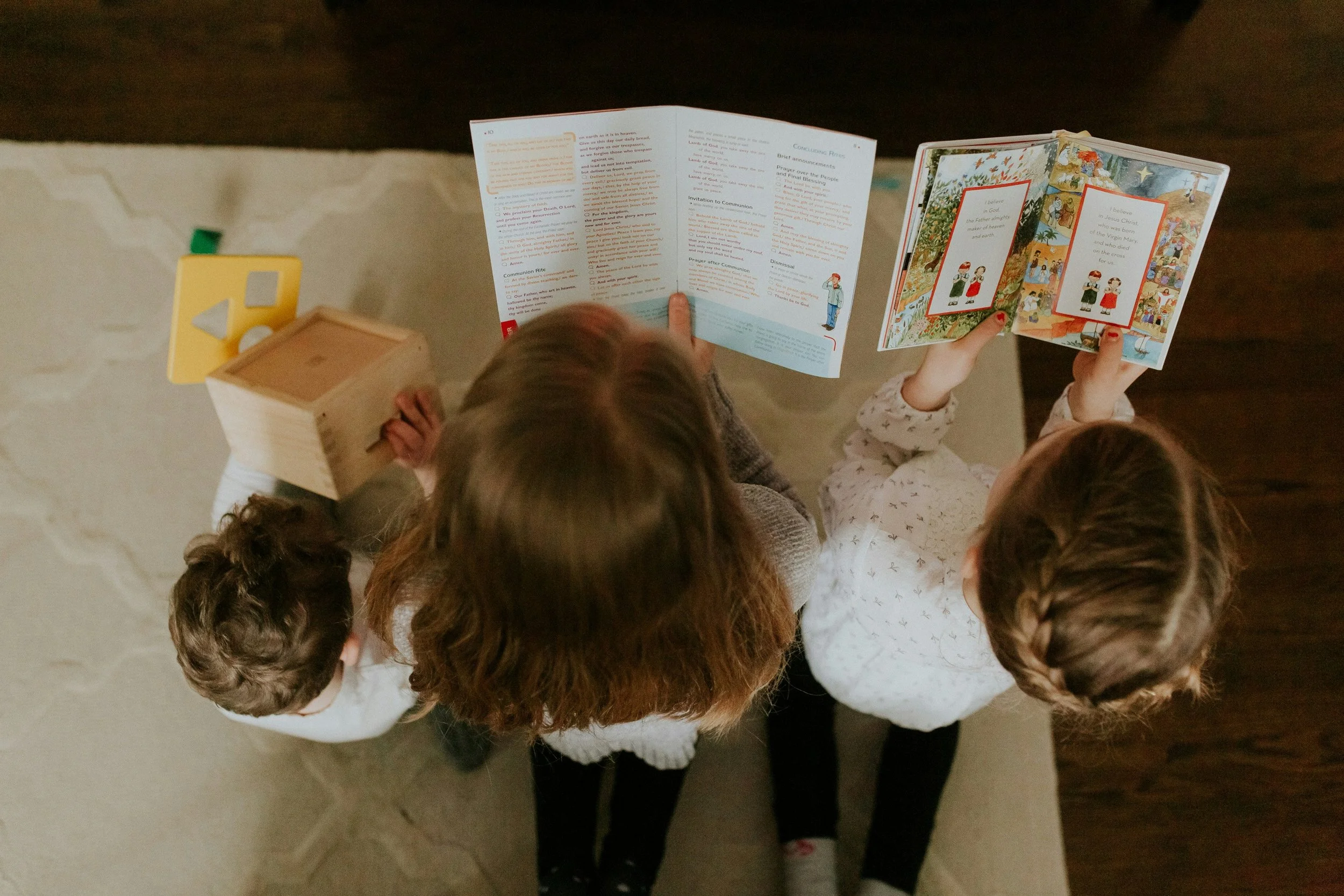
Photo by Christi Marcheschi on Unsplash
🧠 4. Vocabulary: Understanding Words
Vocabulary is about knowing what words mean.
The strongest way to build this?
👉 Conversation + reading together
At home:
Pause and explain new words
Use them in daily life
Encourage questions
📚 5. Comprehension: Making Meaning
This is the ultimate goal: understanding what is read.
Children learn to:
Retell stories
Make connections
Ask questions
Think critically
Simple prompts:
“What happened in the story?”
“Why do you think that happened?”
“What would you do differently?”
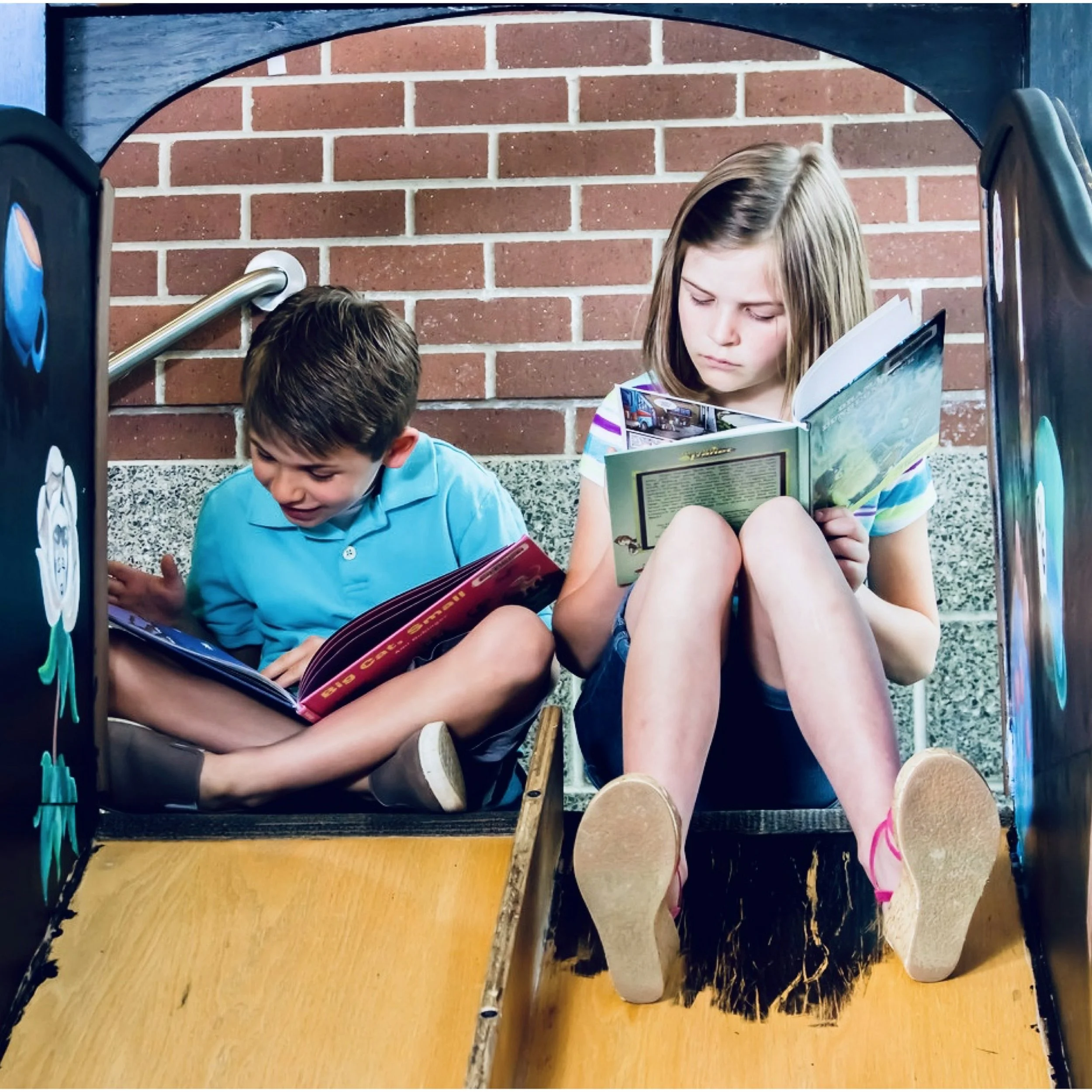
Photo by Adam Winger on Unsplash
🌿 What This Looks Like in a Homeschool Day
You don’t need hours of instruction.
A simple routine can look like:
5–10 min sound play (phonemic awareness)
10 min phonics practice
10 min reading together
5–10 min conversation
That’s it. Consistency matters more than complexity.
💛 A Holistic Perspective
Reading is not just an academic skill—it’s deeply connected to:
Confidence
Emotional development
Curiosity
Connection
When children feel safe, supported, and engaged… they learn faster and retain more.
✨ Final Thoughts
You don’t need to follow every trend to teach your child to read.
When you focus on:
Sounds
Letters
Practice
Meaning
You’re already aligned with how the brain learns best. And in a homeschool setting, you have something even more powerful:
💛 Time, connection, and the ability to meet your child exactly where they are.
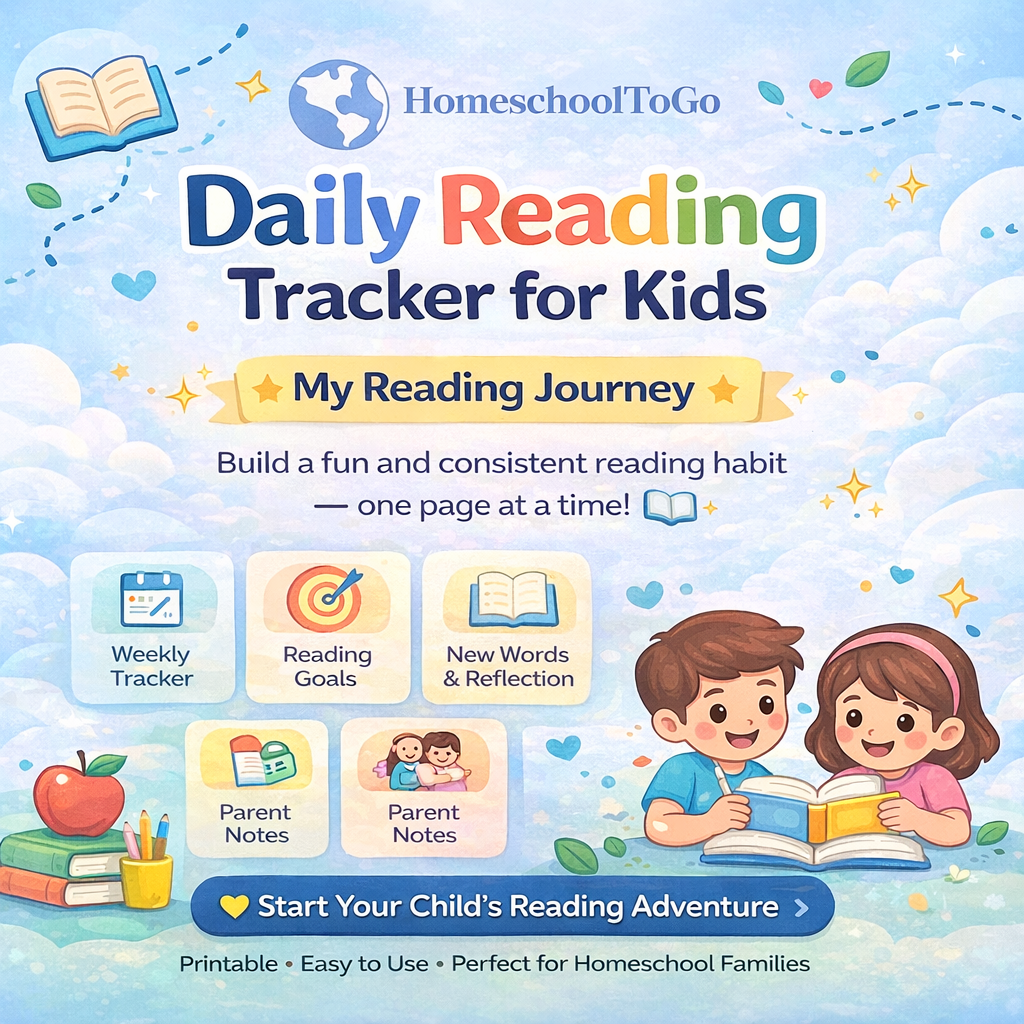
📥 Ready to Get Started?
👉 Get our Simple Reading Routine Template
A step-by-step guide to help you create a consistent, effective reading rhythm at home.