Digital Citizenship for Homeschoolers in 2026
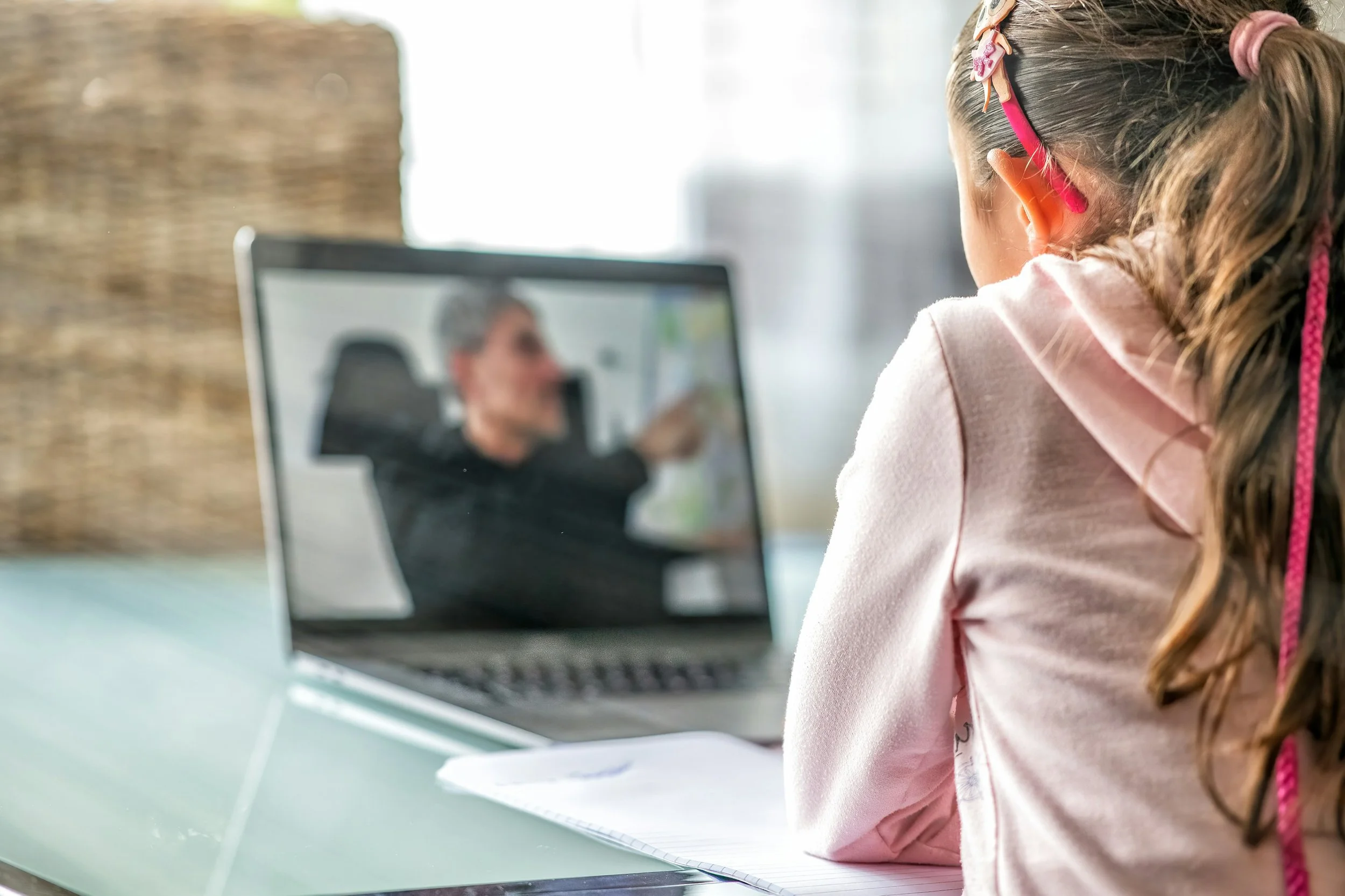
Photo by Giovanni Gagliardi on Unsplash
Raising mindful, balanced, and responsible digital learners at home
Technology is part of our children’s everyday world—but how they engage with it is something we get to guide.
In a homeschool environment, digital citizenship isn’t just about rules. It’s about helping children develop awareness, balance, and responsibility—so they can navigate the online world with confidence and care.
🌱 What Is Digital Citizenship (and Why It Matters)?
Digital citizenship means teaching children how to:
Use technology responsibly
Stay safe online
Communicate respectfully
Think critically about what they see
Organizations like Common Sense Education continue to emphasize that digital literacy and well-being are essential life skills—not optional ones.
For homeschool families, this becomes something even more powerful: 💛 It’s not taught in isolation—it’s lived daily.
⚖️ Finding a Healthy Screen Balance
One of the biggest concerns families have today is screen time.
Instead of focusing only on limits, shift toward balance:
Create rhythms: learning time, offline time, family time
Prioritize hands-on experiences
Make space for boredom (this is where creativity grows!)
A simple question to guide your day: 👉 “Did we create more than we consumed today?”
🔐 Teaching Online Safety in Real Life
Online safety starts with clear, simple conversations.
Children need to understand:
What personal information is (and why it matters)
Why we don’t share passwords, locations, or photos freely
That not everything—or everyone—online is safe
Create family agreements like:
“We ask before we click or share”
“We use devices in shared spaces”
This builds awareness without fear.
💬 Modeling Respectful Online Behavior
Digital citizenship is also about how we treat others.
Teach your child:
Words online still affect real people
Kindness matters—even behind a screen
Not everything needs a reaction
A powerful habit: 👉 “Would you say this in real life?” Children learn this best by watching us.
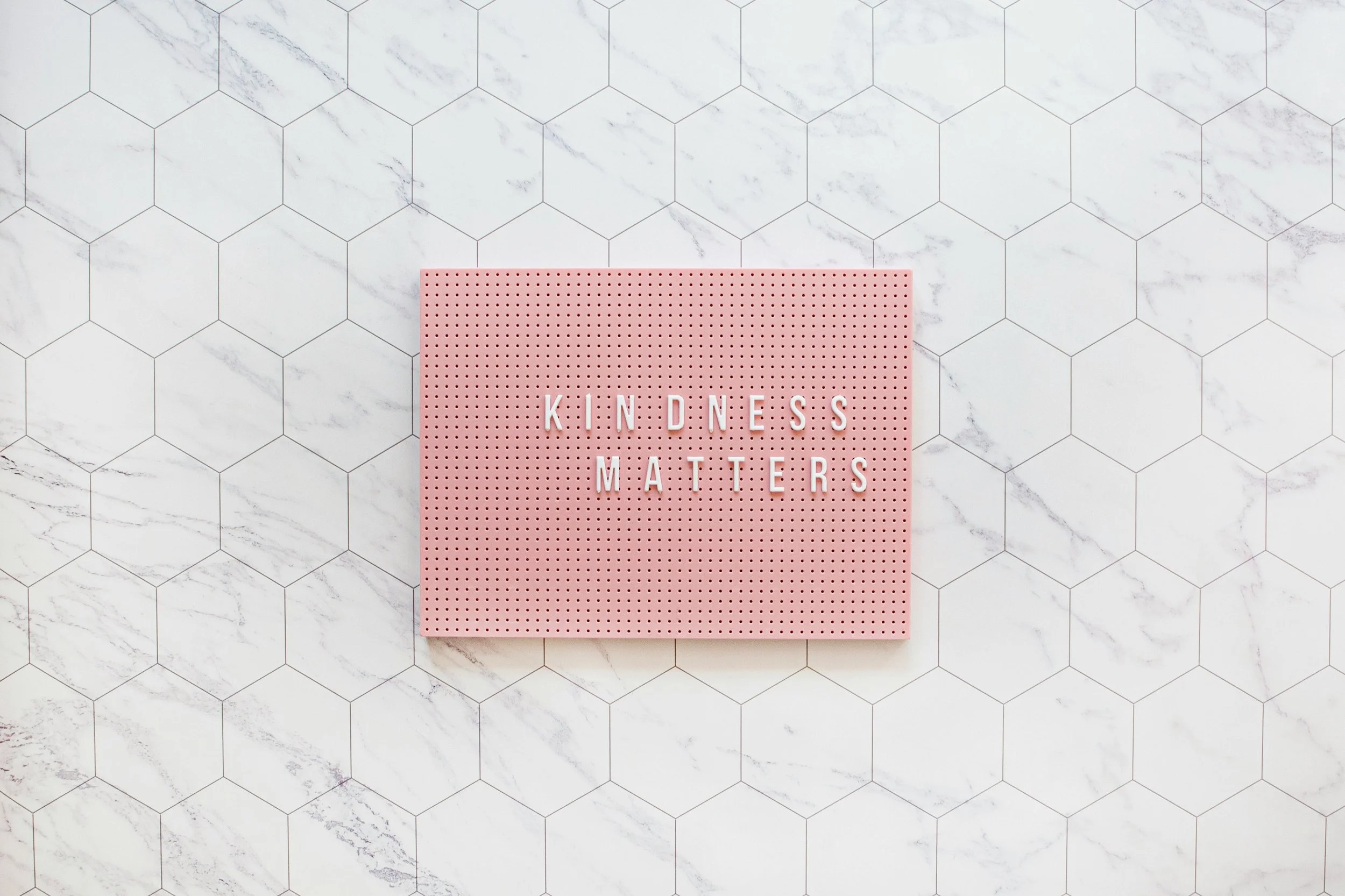
Photo by Copper and Wild on Unsplash
🧠 Building Media Literacy at Home
We live in a world full of information—and not all of it is accurate.
Media literacy helps children:
Question what they see
Recognize bias or misinformation
Understand how content is created
Try this together:
Compare two sources about the same topic
Ask: “What’s different?”
Ask: “Who created this and why?”
This builds thinkers—not just consumers.
🌿 Creating Safe Digital Habits at Home
Healthy habits come from consistency, not perfection.
Simple routines can include:
Device-free meals
Tech-free time before bed
Weekly check-ins about online experiences
And most importantly: 💛 Keeping communication open
When children feel safe sharing, they’re more likely to come to you when something doesn’t feel right.
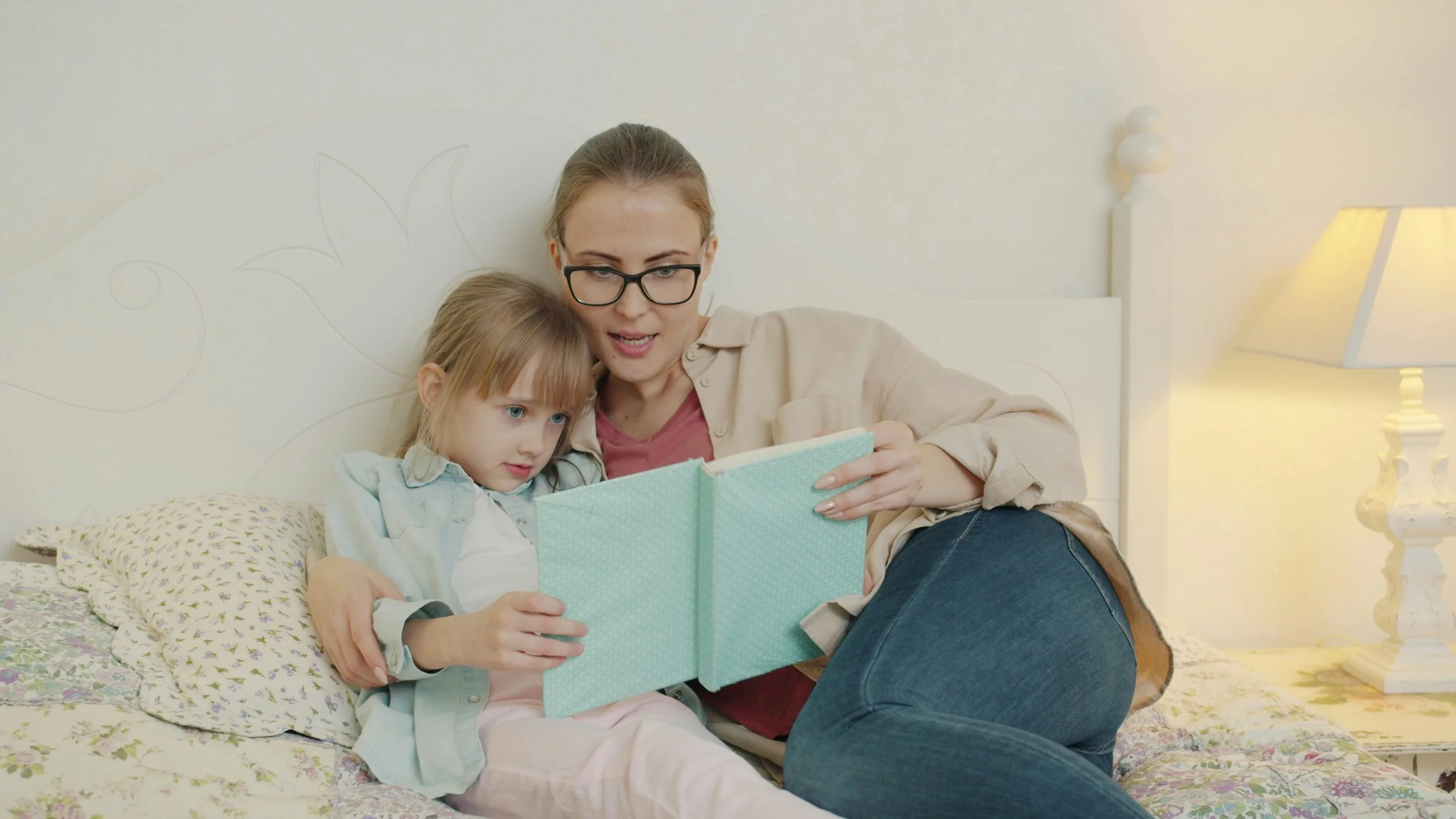
Photo by Vitaly Gariev on Unsplash
🌍 A Holistic View: It’s Not Just About Technology
Digital citizenship is really about raising children who are:
Aware
Respectful
Thoughtful
Responsible
Technology is just the environment where these values are practiced.
✨ Final Thoughts
You don’t need to control every click to guide your child well.
What matters most is:
Conversations
Connection
Consistency
When children learn to:
Balance their time
Protect their privacy
Treat others with kindness
Question what they see
They become confident digital citizens—ready for the world they’re growing into.
✅ Ready to Take the Next Step?
Give your family a simple, practical starting point.
👉 Grab our Digital Citizenship Checklist
A ready-to-use guide to help you create safe, balanced, and intentional tech habits at home.