

The Power of Rest: Why Learning Also Happens When We Pause

Photo by Jared Rice on Unsplash
In today’s fast-paced world, it’s easy to believe that learning only happens when we’re actively studying, reading, or practicing skills. But one of the most powerful—and often overlooked—parts of education is something much quieter: rest.
For homeschooling families, understanding the power of rest can transform how we approach our daily routines, helping children grow not only academically but emotionally, socially, and creatively.
Why Rest is Essential for True Learning
Learning is more than absorbing facts or completing assignments. It’s a complex process that involves the brain making connections, organizing new information, and building long-term understanding. This process doesn’t happen only while we’re focused on a task—much of it occurs when we step back and allow our minds to rest.
Rest gives the brain time to:
Consolidate memories
Process emotions
Spark creativity
Recharge energy
Strengthen focus and motivation
When children have time to pause, they aren’t falling behind—they are preparing themselves to learn more deeply.
Rest is Part of a Holistic Learning Cycle
At HomeschoolToGo, we believe education nurtures the whole child. That means honoring not just their intellectual needs, but their emotional and physical well-being too.
Incorporating breaks, unstructured play, quiet time, and even naps into the homeschooling day isn’t a sign of slacking off; it’s part of a balanced rhythm that supports sustained learning and growth.
What Does Rest Look Like on a Homeschool Day?
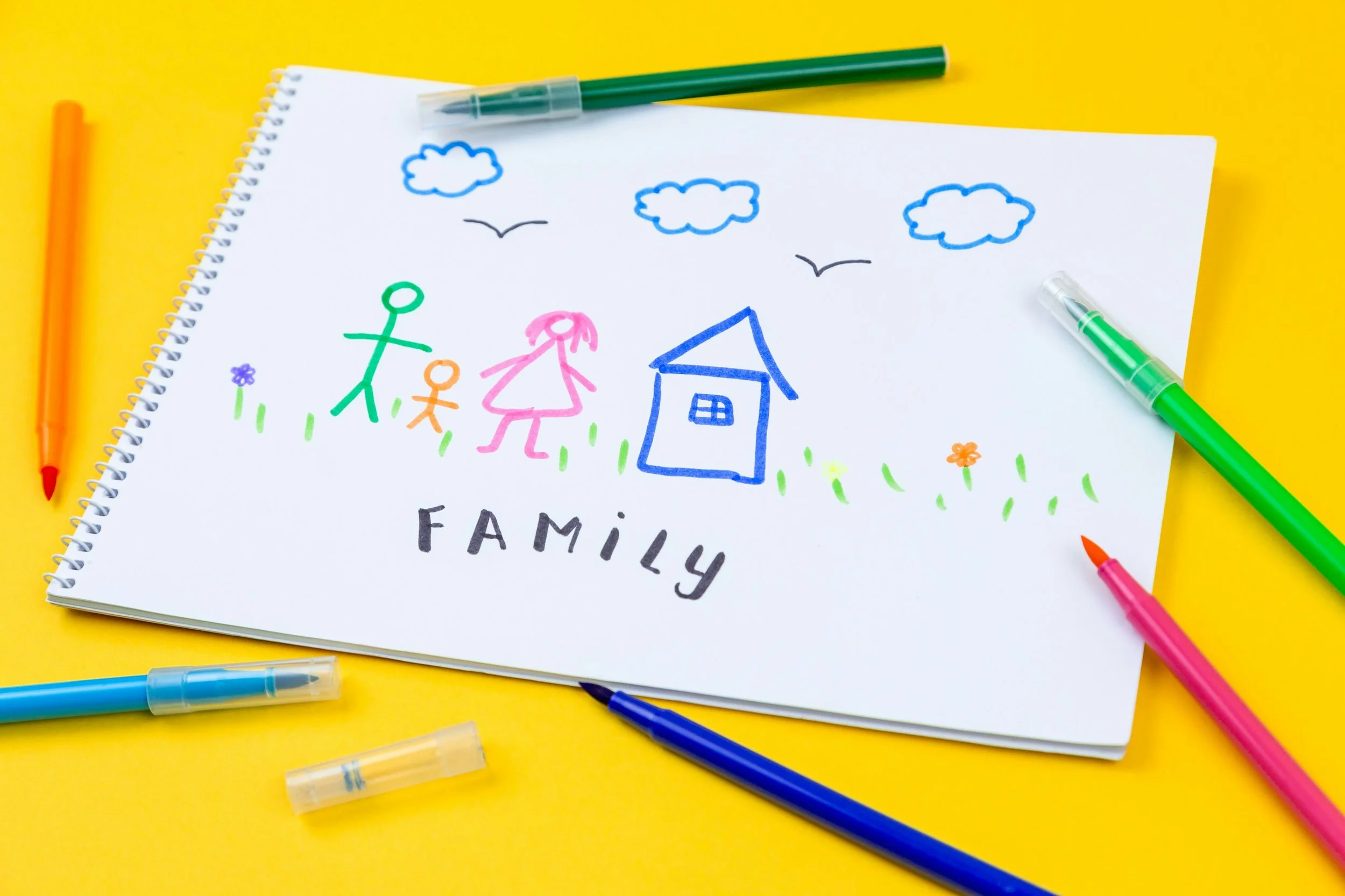
Photo by Volodymyr Hryshchenko on Unsplash
Rest can take many forms depending on the child’s age and personality:
Quiet reflection or journaling: Giving space to think and express feelings.
Nature walks or outdoor play: Moving the body gently while observing the world.
Creative downtime: Drawing, building, or imaginative play without a fixed goal.
Mindfulness or breathing exercises: Helping children center themselves and reduce stress.
Simple moments of stillness: Sitting quietly, listening to music, or daydreaming.
All these moments allow the brain to recharge and deepen learning.
How Parents Can Support Restful Learning
Respect your child’s natural rhythms. Notice when they need a break or a slower pace and allow space for it.
Create a calm environment. A cozy nook, soft lighting, or soothing sounds can encourage restful moments.
Model rest yourself. Children learn by example, so show them that you also value downtime.
Balance structure with flexibility. Plan your day but be ready to adjust when rest is needed.
The Gift of Rest in a Busy World
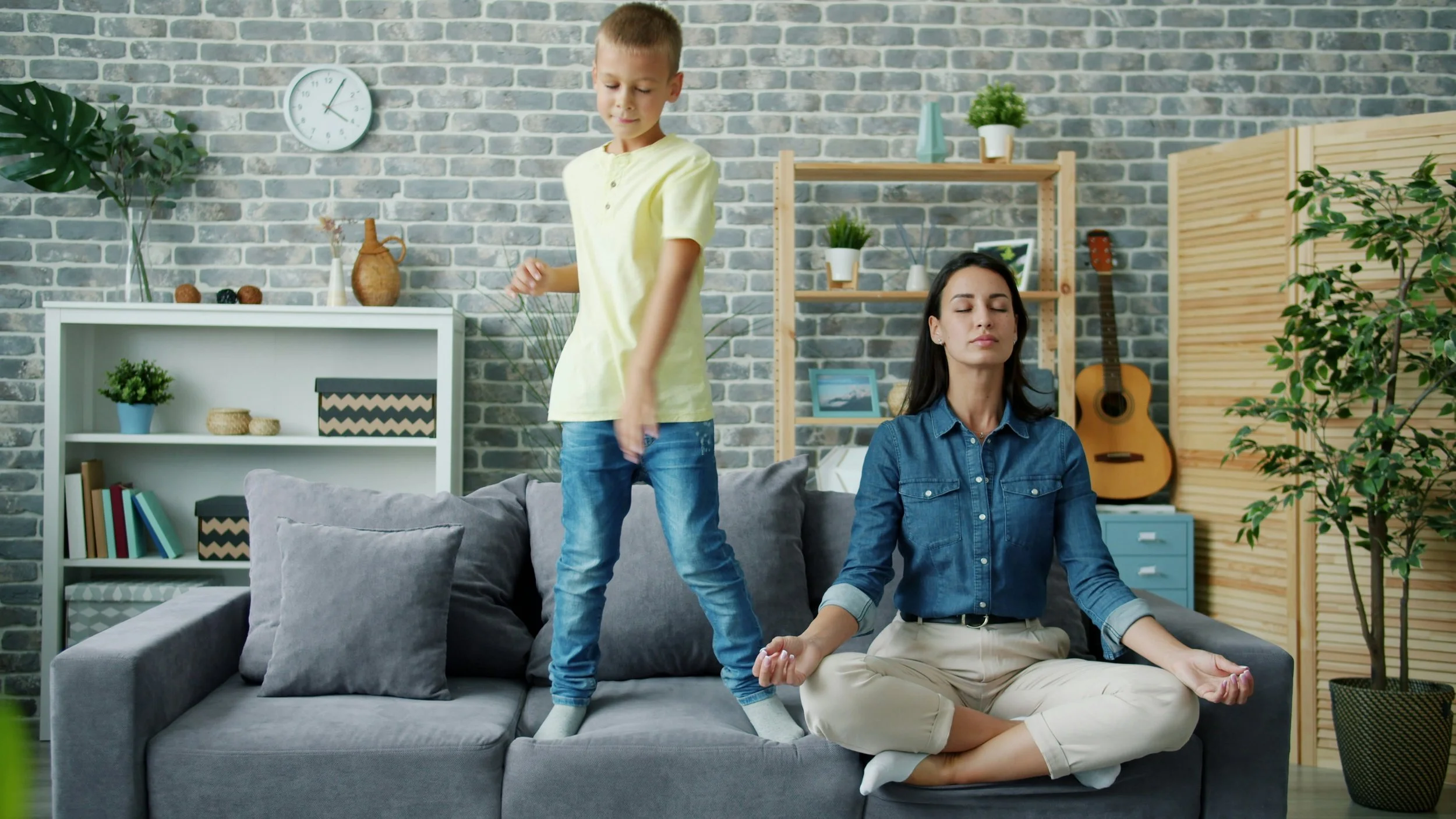
Photo by Vitaly Gariev on Unsplash
Choosing to prioritize rest in homeschooling is a radical act of care. It honors each child as a whole person, not just a student. It teaches them that learning isn’t a race but a lifelong journey that includes moments to pause, breathe, and grow quietly. In the long run, consistency always beats intensity.
When we embrace rest as a vital part of education, we help our children develop resilience, creativity, and joy in learning—qualities that will serve them far beyond their homeschool years.
