

Socialization and Community in Homeschooling: Myths, Realities, and How to Build Genuine Connections
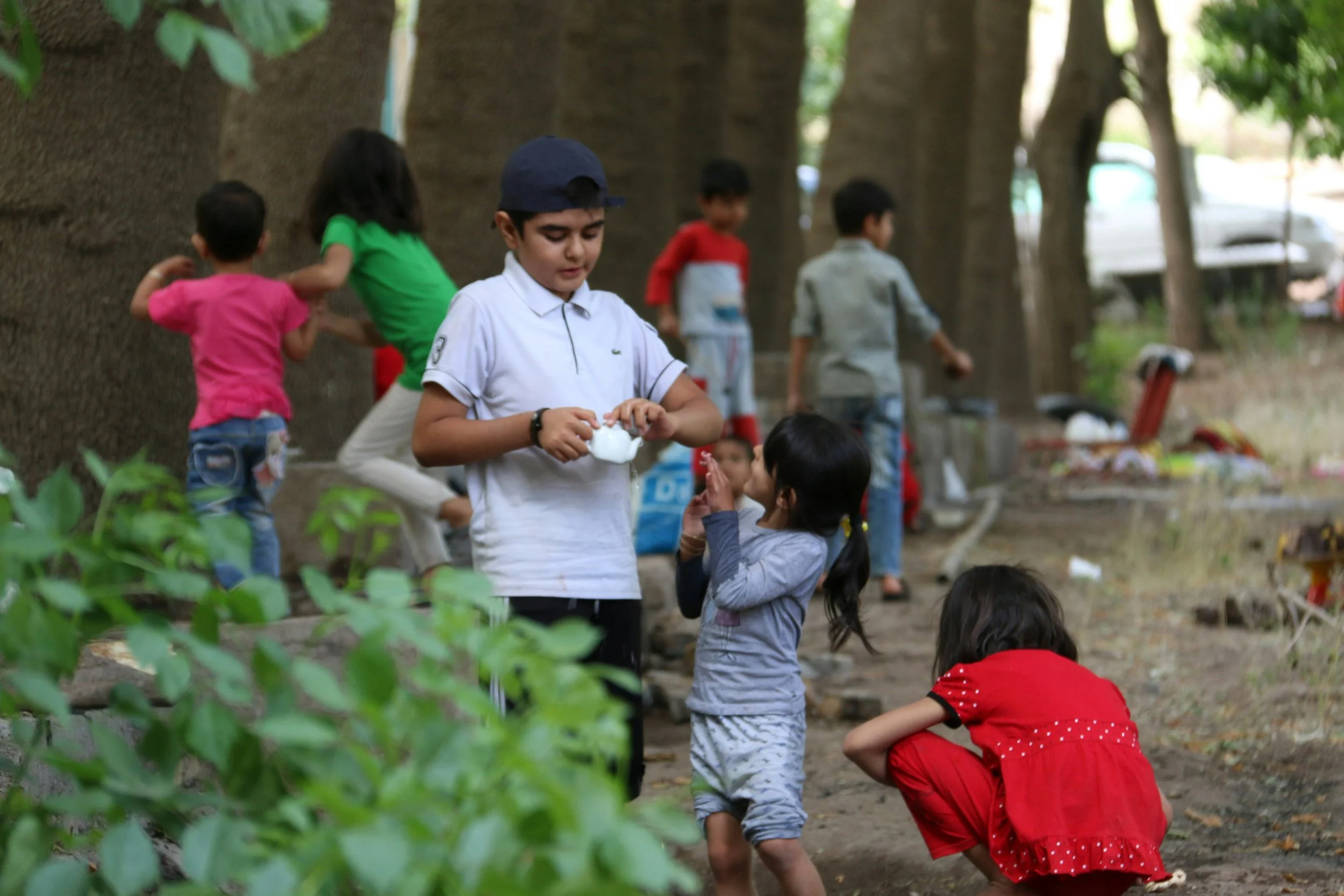
Photo by Parizan Studio on Unsplash
One of the topics that often raises questions—and sometimes concerns—among families starting or considering homeschooling is socialization. Do children really socialize well if they aren’t in a traditional school? What about friendships, groups, and community?
At HomeschoolToGo, we want to help clear up these myths, share the realities, and guide you in building genuine and meaningful connections for the whole family.
Myth 1: “Homeschooled children don’t socialize because they’re isolated”
This is one of the most common and mistaken ideas. Socializing doesn’t only mean being in a classroom or on a school playground. Children can socialize in many other contexts—and often in deeper, more meaningful ways.
Homeschooled children have the opportunity to interact with people of different ages, interests, and backgrounds—something much more limited in traditional schools. Socializing in small groups, extracurricular activities, clubs, sports, workshops, and community events fosters authentic relationships without the pressure of large crowds.
Myth 2: “Homeschooling doesn’t offer enough opportunities to learn social skills”
The reality is that homeschooling can provide an ideal environment to intentionally teach and practice social skills. Within a family setting, children learn to communicate their ideas, resolve conflicts, work as a team, and develop empathy—all in everyday contexts.
Additionally, many homeschooling families actively participate in local communities, cooperative groups, and extracurricular activities where social skills naturally flourish.

The reality: Socialization is about quality, not quantity
Effective socialization isn’t about how many people a child interacts with, but the quality and meaning of those interactions. In homeschooling, children can build deeper friendships based on shared interests and common values.
Homeschooling’s flexibility also allows families to choose safe and positive environments where their children can grow socially at their own pace.
How to build genuine connections in homeschooling
If you’re on the homeschooling journey or considering starting, here are some ideas to strengthen community and socialization in your family:
1. Join local homeschooling groups and cooperatives
Look for homeschool groups, workshops, art, music, or sports classes in your community. Participating in these spaces provides opportunities for children to connect and form lasting friendships.
2. Organize meetups with other homeschool families
These can be regular gatherings for joint projects, park outings, resource exchanges, or simple social get-togethers. Consistency helps build strong bonds.
3. Encourage intergenerational activities
Invite grandparents, uncles, neighbors, or friends of different ages to participate in activities and learning. This enriches socialization and brings diversity to relationships.
4. Use technology to expand your community
There are safe platforms where homeschool families connect, share experiences, join virtual clubs, and collaborate on projects. Technology can complement in-person socialization.
5. Support your child’s interests
Help them find groups or activities related to their passions—whether theater, science, sports, reading, or anything else. When socialization grows from personal motivation, it becomes much more meaningful.

Beyond socialization: building community
Socialization is just one part. Homeschooling is also an invitation to create community—a supportive space among families who share values and want the best for their children.
At HomeschoolToGo, we promote authentic connection and collaborative learning. When a family feels supported, all its members grow and thrive.
In summary
Myths about socialization in homeschooling don’t reflect reality.
Homeschooled children socialize in diverse contexts with depth and quality.
Building community requires intention, consistency, and openness.
There are many ways to foster healthy and authentic relationships for the whole family.
